8 Tips to Prevent Dog Bites

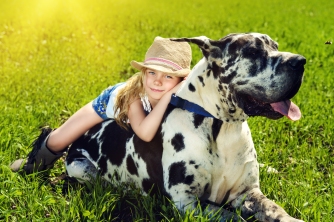
Happy little girl with her mastiff dog on a meadow in summer dayThe first blog in this series was 6 Things to Consider when Choosing a Pet. Then came the various Ways Pets Can Make Your Kids Sick, and what to do about them. Last week was How to Raise a Puppy You Will Like as a Dog.

Today’s blog is the last of the series: How to Prevent Bites. Whether or not you have a dog, it is a good idea to teach your kids how to behave around them in order to prevent bites.

Stats:

There are about 800,000 dog bites requiring medical attention annually in the United States; about ten per year are fatal. Of the fatal attacks, 92 percent are by male dogs, 94 percent of which are not neutered. One in four is chained up. The particular breeds that bite vary with where you live and what breeds are popular at the time. In many areas, bites from pit bulls predominate. In Denver, where pit bulls are banned, the majority of bites are from German shepherds. In Canada, bites are more likely to be from sled dogs and Huskies.

Restricting specific breeds doesn’t work because the people are the problem, not the dogs. Unfortunately, there will always be people who want aggressive, vicious dogs. Many states have laws that hold the dog owner responsible for the dog’s actions. These are more effective, but they are not on the books everywhere and are difficult to enforce.

The typical dog bite victim is a boy, aged five to nine. Dog bites are 370 times more likely when there is no adult supervision; 88 percent of dog bite deaths of children less than two years of age are children who were not supervised. Half of these are attacks by the family dog.

Never leave a baby or a young child alone with a dog.

Kids don’t naturally speak dog; we need to teach them!

  • Rule number one is that they never approach a strange dog, particularly one that is chained up. Chaining dogs stresses them and makes them feel vulnerable. When your child approaches them, they are invading the dog’s territory, which they feel they are unable to adequately protect while they are chained.
  • The same problem occurs when small hands are stuck through fences – another don’t.
  • Teach your kids to stay away from dogs that are eating, protecting toys, or nursing puppies – dogs are protective of what is theirs. Even the sweetest bitch will snap at a strange human who approaches her puppies.
  • Never disturb a strange dog while it is sleeping.
  • If a dog is safely restrained and with its human, kids should ask permission before they pet it. They should approach calmly and hold out their hand in a closed fist. If the dog sniffs it and wags its tail, they can scratch it under the chin—not on top of its head. They should not curl their body over the dog; if they stay in front of the dog where it can see all of them it will feel less threatened.
  • If they squat down in front of a dog they are saying, “Come play with me.”
  • If they run from the dog, they are saying, “Chase me!”
  • Teach your kids to stand tall with their shoulders down and chins up. They should speak calmly and quietly, and move slowly. Dogs have been around humans for a very long time and are very good at reading us, and to them this stance means “alpha.” If someone else is alpha then the dog can relax.

As always, dogs are great for teaching life lessons. Kids who stand tall, respect other living creatures, and know how to be calm and take charge do well in real life.


How to Raise a Puppy You Will Like as a Dog

Cute girl and her dog friend

The first blog in this series was 6 Things to Consider when Choosing a Pet for Your Family. Last week’s was about the various ways pets can make your kids sick, and what to do about them. Since the most common pet by far is the dog, this week’s blog is all about how to raise a dog that will be a joy to have as a member of the family.

Your Own Dog

It is more than possible to raise a dog of your own that doesn’t have bad habits or bite. First, consider your choice carefully. There are sites on the Internet that will allow you to select characteristics like size, energy level, or amount of grooming needed for different breeds. The AKC has one such search engine; Animal Planet has another. If your children are young and crazy, you might do better with a mellow dog rather than one with a lot of energy. The same is true if the dog won’t get much exercise.

If you would consider a rescue, there are thousands of animals in rescue that need families. If you have a specific breed in mind, there are rescue agencies that specialize in most breeds. Many wonderful animals of all ages and types lose their families through no fault of their own, especially during an economic downturn or after a natural disaster.

If you decide you want to buy from a breeder, be careful to avoid puppy mills. Never buy from a pet store. Look for a reputable breeder who breeds only healthy dogs with good temperaments and who will socialize the puppy while it is in their care. Check with the national club for the breed you want; they will have a list of trustworthy breeders. Ask for references.

A careful breeder will screen the sire and dam for hip dysplasia, elbow abnormalities, heart defects, and eye problems. Some breeds have additional screenings as well. These tests are expensive, and if the dog fails, the breeder loses any potential litters. Puppy mills generally do not do those screenings. A good breeder will have copies of those clearances available; also, they can be verified at the Orthopedic Foundation for Animals (www.offa.org). Pedigrees can be verified at AKC.org and K9data.com. A reputable breeder will also carefully screen you because he or she will not want the puppy to go to an inadequate home.

Once you have an energetic, slobbering puppy, it is vital that you train it so you will not have an energetic, slobbering adult dog.

  • Socialize it. Let it meet people of all sizes and behaviors, and lots of different animals. Give it lots of love and exercise. Never kick or hit it.
  • When you are with your dog, be calm and carry yourself with good posture. Move slowly. Canines have been with us for millennia; they can read our posture sometimes better than other humans can. Speak in a relaxed fashion. Dogs consider children to be puppies and will tolerate a lot of hyperness in two-legged puppies as long as their adult human is steady.
  • Neuter/spay your dog. Unneutered males are more aggressive; unsprayed females will bite when in heat or when protecting their puppies.
  • Keep it on a leash when you are outside your yard, and within a home, crate, or fenced area otherwise. If there are things you do not want your adult dog to do, like begging at the table or jumping on you, don’t allow your puppy to do them. If there are things you do want it to do, like coming when called, sitting, or walking on a leash, be consistent with your expectations and reward good behavior. Is this all starting to sound a bit like parenting your child?
  • Never chain your dog, and limit the time it spends in a crate. Too much time in a crate makes a dog crazy.

So, with all these problems, why do we keep pets? The unconditional love and companionship are priceless, but there are other benefits as well.

Pets teach children about loss and death. They learn that all living things die, that it is all right to be sad, and that it won’t hurt so much in time. Later, when a bigger loss comes into their lives, they will not be completely blindsided.

Kids with dogs get more exercise and are less likely to be overweight, and caring for an animal teaches responsibility. Pets will also teach social skills; the way children interact with a pet translates into behavior with friends and family. They learn to be calm and quiet and treat the pet gently, or it will shy away. They learn that if they are caring, attentive, and invest their time, they will be paid back with love and trust–exactly the traits that will gain your children friends and long-term happiness.

Come back next week for info on how to train your children to behave around dogs (even if they don’t have one) so that they can avoid being bitten.

10 Ways Pets Can Make Your Kids Sick

Cute girl and her dog friendLast week’s blog was 6 Things to Consider when Choosing a Pet for Your Family. Got one in mind yet? Read below first, about the various ways pets can make your kids sick, and what to do about them.

Allergies

If there is a family history of allergies, asthma or eczema, find out if your children are allergic to the particular pet before you commit. Allergy testing for cats and dogs is readily available, just ask your pediatrician.

Arrange a play date with the same type of animal and look for sneezing, red eyes, and itchiness afterward.  If you are considering a particular dog, visit with that dog because allergens vary greatly from dog to dog. Even less allergy-inducing breeds like Poodles or Portuguese Water Dogs named Bo can actually trigger allergy symptoms in some children. Kids can be allergic to the saliva and skin flakes as well as the fur.

If you already have a pet that your children are allergic to, keep that pet out of their bedrooms, damp dust and vacuum frequently, and wash the pet weekly. Additionally, air filters will capture a significant portion of allergens.

Illness

Most germs prefer to attack the host they have evolved to infect. It is most common for the germs to stay with their preferred host, so you are much more likely to get sick going to the store or daycare where other humans hang out than you are petting your dog. Taking that as given, there are some illnesses that pets can give to humans.

  • Even fish, isolated as they are, can cause problems. They can raise the humidity in your house and make life happier for molds and dust mites.
  • Turtles can carry salmonella, which will cause diarrhea. Kids need to be good at washing their hands if they have a turtle, and the turtle needs to be kept far from the kitchen. No bathing that turtle in the kitchen sink!
  • Birds can carry salmonella. Interestingly, salmonella is becoming a much more common problem now that people are keeping back yard chickens. Wash those hands after handling the birds or changing their food and water! Birds can also carry Chlamydophila psittaci, which causes psittacosis, a rare kind of pneumonia. I’ve been looking for a case for decades without success.
  • Cats and dogs can both bring in fleas and ticks, and can harbor ringworm (a fungus) on the skin. Both can be prevented with basic pet care.
  • Cats can carry toxoplasma, which can cause birth defects in human infants if Mom catches it while she is pregnant. Obstetricians always warn pregnant women not to clean out kitty litter boxes. I personally had no problem letting my husband clean the litter box.
  • Kittens can carry Bartonellosis in their claws, which can cause the fairly rare “cat scratch fever,” or infected lymph nodes. That one I have seen a few times. Grown-up cats don’t carry it, thankfully.
  • Cats also carry Pasturella in their mouths, and cat bites can occasionally become infected.
  • Most of the bacteria, worms, and parasites that dogs can become infected with are self-limiting in humans. Our immune systems throw them out without diffculty. People who have poor immune systems (small children, the elderly, kids on chemotherapy, or those whose immune systems don’t work well) can be less tolerant, and we do occasionally see problems in otherwise healthy children.
  • There are a few uncommon infections from dogs and cats that they can share. Toxocara cani (or cati, in cats) is a roundworm that rarely infects humans, but it is ugly when it does, causing problems with eyes, hearts, and livers, including blindness and death. It can also be caught from dirt as a soil contaminant. Puppies can carry cryptosporidium, a protozoan that can cause diarrhea. Leptospira (a spirochete bacteria) can cause damage to the liver, spleen, and kidneys when water is contaminated.

The solution to avoiding most of these diseases is to keep your pet healthy, use flea and tick preventative, and give monthly heartworm pills.

Also, don’t let them drink contaminated water.

Since dogs are the most popular pets, and cats sort of train themselves, next week’s blog is all about how to raise a dog that will be joy to have in the family, rather than a shoe-chewing brat.


6 Things to Consider when Choosing a Pet for Your Family

boy with baloon2-01In the United States, 70 percent of households have pets – more households have pets than have children. In our culture pets seem to speak more to a need than a want, and all the debate over whether or not they are a good idea doesn’t really seem to matter when we come home to that wagging tail and happy bark. Or meow. Or squeak.

The most common pet, currently in 39 percent of US households is—surprise!—the dog. There are almost 80 million pet dogs in the United States.

Dogs have been part of our lives since we depended on them to help us survive as early hunter-gatherers. One of the things that made us such a unique species, along with our big brains and opposable thumbs, was our ability to domesticate other species.  (I personally have an addiction to golden retrievers. I currently have five. Yes, they shed a lot.)

Following closely behind canines at 33 percent of US households and 86 million total are cats. Fewer households have one, but those that do tend to have more than one. After cats come rodents (hamsters and guinea pigs), lagomorphs (rabbits), birds (canaries, parakeets), reptiles (snakes and lizards), fish, and frogs.

How do you choose what type of pet to get?

Your children will be happy to choose for you. They probably already have one in mind.

Some general issues when choosing a pet:

  • Consider the age and maturity of your children. In general, a two- or three-year-old will be too aggressive for a pet. They tend to grab and hit rather than snuggle. We
    in pediatrics generally say that the best age for children to get a sibling is at about four. The same probably applies to a pet. It is possible to teach four-year-olds to be gentle, and they are able to help with feeding and grooming (of the pet, not the sibling).
  • If young children desperately want a personal pet consider a pocket pet, such as a hamster or a frog. Small, short-lived pets have less of a personal connection and are a better idea if your children are less responsible than you would like. A dead frog is very sad, but not as heartbreaking as a dead dog.
  • Consider your living environment. A small condo is not a great place for an energetic border collie, but a hamster is (mostly) self-contained.
  • If a family member is allergic, a cat is not a good idea. Fish might be good.
  • If you move frequently or travel often, it will impact on your decision.
  • Cost is a huge issue. The average lifetime cost of having a dog is between seven and thirteen thousand dollars; cats cost between eight and eleven thousand dollars over their lifetimes.

Still thinking about getting a pet after that appalling total lifetime cost? Money magazine wrote that the lifetime cost of a human child is around $241 thousand. See? A dog is a bargain!

Hmm.

Come back next week for info on allergies and the illnesses that pets can carry!

Oh My Heartsie Girl

How to Educate your Kids with Games, Art, and Fun!

Astronaut child

So, Education.com agreed to let me write a blog about their site, which is way better than just telling everybody I know about it. I love this site! (And no, they are not paying me to write this.)

The site was built with the contributions of thousands of teachers. They have FREE activities for kids from preschool to high school that help them succeed in science, math, reading, writing, and social studies.

They teach with games, songs, worksheets, interactive exercises, hands-on activities, and more.

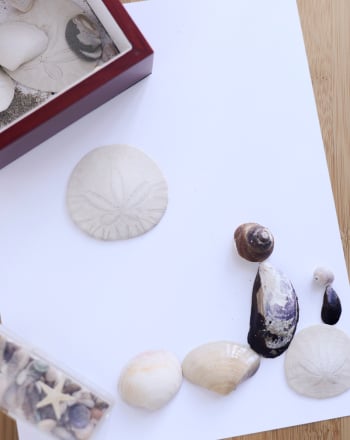
For example, they have the art activity below to help second graders identify the shapes and positional language that will start them on the road to learning geometry:

Summertime Beach Mosaic:

Second Grade Holidays & Seasons Activities: Beach Mosaic

Capture your beach memories—not with a photograph, but with a pretty mosaic made from that classic beach souvenir, the shell. Celebrate summer and practice easy geometry with a splashy beach mosaic, made with natural materials.

What You Need:

  • Cardboard
  • Collection of shells, various shapes and sizes (sand dollars, augurs, conches, clam shells, etc.)
  • Tempera or acrylic paints, paintbrushes, old newspapers
  • Hot glue gun
  • Pencil
  • Optional: sand

What You Do:

  1. Have your child plan out his beach mosaic by placing his shells on the piece of cardboard into a scenic arrangement. He may want to recreate a beach scene, using the shells to recreate waves, sand or ocean animals. If he has other favorite summer activities, he can create another scene of his choosing. Or, if he’s feeling free-spirited, he can just make an abstract design.
  2. He may want to trace around shells with a pencil on the cardboard to remember where he plans to place them.
  3. To add some unique color to his mosaic, have him lay the shells on a newspaper and use acrylic or tempera paints and paintbrushes to paint the shells. He may choose to give the shells a new color, or simply cover them with a sparkly or iridescent paint for some extra pizzazz. Paint can be used to help the shells resemble things such as a blue whale, a yellow sun, a brown bird, tan sand, or blue water.
  4. After the paint has dried (we recommend letting it dry overnight), help your child use a hot glue gun to attach the shells to the cardboard in his desired placement. If he’d like, he can also glue sand onto the cardboard to add to the beachy feel of the scene.
  5. Let the glue under the shells dry before moving it.
  6. He can share his beach mosaic with others and describe the scene he created, or see if others can guess what he has depicted!

Your kids are learning the basics of geometry while they think they are just having fun and building memories.

Check out Education.com for other innovative educational opportunities for every age child!

Now I have to go try their bouncy ball recipe with the grandkids. You can make your own bouncy balls! Who knew?

Misadventures in Pottying

Baby in diaper-01The last two week’s blogs have been all about potty training: how to know when your child is ready, and how to go about training them. This week is about when things do not go well–bedwetting, accidents, refusal, and relapses. So what do we do when our efforts are less than successful? When all our hopes and dreams go splat in the night? Read on!

Bedwetting

Nighttime dryness tends to be in the DNA and is related to how deeply your children sleep rather than their actual intent. One in five children still wet the bed at age five, and anything that 20 percent of children do has to be defined as normal. Most kids are dry by age seven. Until then, consider pull-ups at night, or a mattress cover. Limit drinks an hour or so before bedtime because what comes in must go out. Hit the bathroom before you tuck them in.

Bedwetting is not bad behavior or a failure in parenting, and treating it as such can damage your children’s self-esteem. They cannot make themselves sleep less deeply. They can, of course, take responsibility and help with cleaning up and laundry.

If it persists at age seven, discuss it with your pediatrician. Once your child is old enough, bedwetting alarms can teach them to wake when they start to urinate, and have no side effects. The alarms that vibrate work better than the sound ones, because the whole issue is that they are very deep sleepers. Alarms are ridiculously expensive.

Accidents

Never punish accidents; it always backfires. Never punish disinterest. If you want to be potty training for the next five years, punishment is the way to get there. Responsibility is fine: they can throw away the old diapers and get out new clothes, or help to clean themselves up as much as they are able. Don’t even think of punishing a failure. They will do better next time.

Refusal

Toddlers will occasionally flat out refuse to use the potty. Sometimes this is an independence issue: not just “I can do it myself” but “I can do it myself anywhere I choose to.” This is more common when people try to potty train when their lives are in turmoil. Children want to control the one thing they can control.

Sometimes the only thing you can do when this happens is wait until later and try again after things settle down.

If the refusal is not too bad, sometimes you can overcome it:

  • Treat using the potty as a routine task that must be done, like brushing your teeth.
  • Rewards are given after the task is completed, not before.
  • Ramp up the fun factor: toilet paper squares decorated with targets is available. Aiming for fruit loops is a traditional winner. I know I said food rewards are a bad idea, but I can testify that one M&M for every potty use results in very frequent visits to the potty. I am a hypocrite. Sad.

Sometimes kids are downright terrified of the potty. Again you may just have to wait it out and try again later. They seem to feel that they are loosing a part of themselves to the yawning, abysmal plumbing. Reassure them and be patient. Throwing the contents of diapers into the potty can help: show them that this is where the poop goes. Tell them all about the poo-poo party that awaits it at the end of the journey. It would be very sad if their poo had to miss the poo-poo party. Poor, sad poo-poo. (I know, but sometimes it works.)

Relapses

They will also occasionally regress when they are stressed. A completely potty-trained munchkin will start having accidents when they are ill, when there is a new baby, or when there is a family crisis.

Even more frustrating is when they relapse because they have figured out the whole potty thing and are now bored with it. Amp up the fun and the rewards, and let them take responsibility for their action—or lack of action. They can help clean themselves up, put the poop in the toilet, and get themselves new clothes. Be sure to mention the reward they could have had, but have now missed. No punishment please!

Kids may also miss when they are uncomfortable in a strange new place, until they understand what they should do. Tell them there is a bathroom in the store where you are shopping; mention that if they have to potty at a friend’s house, just tell the mom or dad, and they will show him and her where the potty is.

Even when children have achieved the necessary milestones and you have used these techniques, the bottom line is that children will train when they are ready and not before. They need to understand what’s happening in their bodies and be able to let you know about it. They have to dislike having a wet diaper on and want the independence of doing it themselves. If it’s not fun and rewarding for them, they will quit—and you can’t win that battle.

Talk to other parents because potty training can drive you crazy, and craziness is better when shared, and because there are an abundance of ideas out there for how to inspire your toddler to hit that target. And don’t forget to have a potty party when they succeed.

Potty Training: How to Set Kids Up for Success

Baby in diaper-01Last week’s blog was the first installment on the Perils of Potty Training: how to know when your munchkin is ready. This week gives you some tried and tested How To’s, when everything goes as planned.

The first thing you need to do when your children are ready is to decide what words you will use. Remember that whatever words you choose will be shouted loudly at very inconvenient times in public places. Please be anatomically correct and as polite as possible.

Just one aside: potty training increases your children’s vocabulary in interesting ways. If you don’t want to be called a “poo-poo head” for the next year, don’t laugh when they say it the first time. Don’t look shocked, either—they love that.

Second thing to do: buy the potty. They come as either self-contained units or as attachments to the grown-up potty. Choose which style you want, and make sure it is sturdy and their feet have somewhere secure to set down. Then let the child choose the specific model.  We’re looking for pride of ownership here. This is his or her pottyThey can even decorate it.

Schedule some time for them to sit on it just for fun, as often as every quarter hour. Let them sit on it when you model how you use your potty, if you chose the self-contained style. Sitting on it should be fun for them; have special potty toys and books in the vicinity.

When you want them to use it for its designed purpose, put them on it at least every two hours. More often is fine, but don’t stress them out. Remember that the goal is fun, not anxiety. Put them on the potty after meals (we all poop after we eat), when they first wake, before naps, and at bedtime. Put them on the potty quickly when they show signs of needing to go. You know the signs: the pee-pee dance, hands on the groin, grimacing, sometimes a red face. Go sit them on the potty and read that special potty-only book. If you can go too, it will help. Lead by example, as always.

If it works, celebrate! Jump up and down; tell them they’re wonderful. Note that they must feel better now that they’ve urinated or pooped, and isn’t it great that they’re not wet? Aren’t they so much more comfortable? Let them call relatives and friends to tell them the news. Make sure they know that they should be very proud of themselves.

When they consistently use the potty, you can trade in the diapers for training pants. Big kid underwear! Another celebration! I knew one little girl whom I swore only trained because she didn’t want to pee on the mermaid on her undies.

Ahh ahh ahh, ahh ahh ahh… ohhh nooo. Poor Ariel.

What to do if things don’t go as planned and problems occur? Come back next week, of course!

The Blogger's Pit Stop

The Perils of Potty Training, and How To Avoid Them

Baby in diaper-01At last! The day every parent dreams of–the day you can throw out the diapers.

But how do you know when to begin? The one universal truth is that the child has to be ready. If you try to potty train before your children are ready, you will frustrate yourself and irritate your children. You will not succeed.

Although the age at which children are ready to start potty training varies quite a bit, it generally ranges between eighteen months and three years.

There are several developmental milestones that need to be present for potty training to be a success:

  • Children need to be able to sense the urge and understand that that feeling of fullness means that they have to urinate or poop.
  • They have to be able to communicate to you that they need to go.
  • They have to want to go in the potty: they want to do it themselves or want to wear big kid underwear. Toddlers around two want to be like the big kids and copy their behavior. Their budding independence makes them want to gain control of their potty issues.
  • They need to be able to handle the clothing. You can make this easier by not putting them in difficult clothing while you are trying to train them. No onesies or overalls please! Sadly, I made that mistake myself. Very big tears because mommy couldn’t undo the onesie snaps in time. Worst mommy ever.
  • They have to dislike having a dirty diaper. They will let you know they dislike it by telling you when it is dirty and wanting it off immediately. And maybe screaming.
  • They have to want your approval and the reward they will receive for doing well.
  • Physically, you will notice that their diapers stay dry for longer periods of time—about two hours—and perhaps they wake up from naps dry. Their bowel movements become more predictable, usually occurring after meals.

All these necessary abilities are acquired with advances in your children’s development, and every child reaches them at different ages. Your children will train when they are ready, not when the daycare worker says they should or Grandma says you did.

The average eighteen-month-old is just starting to have some control of their sphincters. They are also beginning to be independent. By two, they are quite good at saying, “I can do it myself.” They are interested in the potty and in copying older children. Second children will actually train earlier than first ones because they copy their bigger siblings.

By thirty months, they are very aware of gender and become interested in copying people of their own sex. By three, they are interested in rewards—and intensely interested in your approval. All these traits will inspire them to use the potty.

If they train later, some negative issues come into play: peer pressure kicks in, and they can develop self-esteem issues. It’s the pits being the biggest kid in the baby class because you’re still in diapers when all of your friends have moved on. Also, kids are aware of parental frustration and internalize it, no matter how hard you try to hide it.

If they are ready and you have the next three months clear—there are no stresses coming up, such as a new baby, a move, a death, or a divorce—you are ready to try.

So come back next week for Potty Training: How To Set Kids Up for Success! Baby playing with abacus toy. Concept of early learning child

Nutrition Facts: What to Grow in Your Kid’s Garden

girl with plantIn Anna Karenina, Leo Tolstoy wrote “Spring is the time of plans and projects.” Plans and projects keep children out of trouble–or at least involve them in safer, more manageable trouble.

What could be better than digging in the dirt and playing in a spray of water on a hot summer day? What more creative than an adventure in the wilds of your back yard? Add in sunshine, fresh air and exercise, and planting a garden becomes the springtime activity of choice.

One of the best ways to coax kids into eating what is good for them is to involve them in its preparation. They are far more likely to eat the lunch they prepared with their own two hands than one you slaved over. If they help you peel and cut up carrots for dinner they will try them, and brag about their contribution while chewing.

Extend this a bit and you reap the miracle of children eating their vegetables because they grew them in their very own garden. They planted the seeds, watched over them, watered them, and cared for them. They will proudly eat the fruits of their labor and proclaim their tastiness.

Children need a variety of vitamins and minerals in order to function and grow, and the best place to get those nutrients, along with carbs for energy and fiber for bowel function, is in fruits and vegetables. Some, like beans and peas, are even excellent sources of protein. Many of them can be grown in small plots or in containers on a porch.

Carrots can be grown easily from seeds bought in your local garden store, and are very high in Vitamin A. Vitamin A helps with eyesight–especially night vision–which is why your mom always told you to eat lots. Watermelon, peas, peppers, beans, and tomatoes also have bunches of Vitamin A.

Tomatoes, peppers, and beans are high in B complex vitamins. B vitamins like riboflavin, niacin, thiamine and folic acid are tiny machines that allow your body to function. They help with everything from making blood cells, to generating energy from carbohydrates, to scavenging free radicles and protecting you from cancer.

Strawberries, raspberries, and blackberries are high in Vitamin C, which is necessary for collagen synthesis and wound healing and is an effective antioxidant. Without Vitamin C, people get scurvy.

Minerals are also easily come by on the plant side of your plate.

Calcium to build strong bones can be found in beans.

Potatoes, beans, corn, and mushrooms are high in iron, which helps carry oxygen around your body.

Potassium, necessary for muscle contraction and to maintain your heart rhythm, is present in potatoes, berries, peas, beans, and peppers.

Essential minerals like magnesium, phosphorus, copper, and zinc are all available in fruits and vegetables.

I’ve never seen a child turn down a pea fresh from the pod, or a strawberry plucked from the plant. Find a plant catalogue, pour through it with your child, pay attention to what will grow in your area and how much room the plants need to grow, and choose. Consider what you have room for: will these be container plants on the porch, or can you spare a patch of yard? Do you have space for a tree, or are we looking at a mushroom kit in the closet?

Some of my favorite kid friendly plants are peas, beans, peppers, tomatoes, and the ever popular carrot. Melons, pumpkins, and cucumbers are great if you have a little more room. Berries come in all sizes, from tiny strawberry plants fit for containers with pockets down the side, to raspberry vines best grown on trellises, to fat thorny blackberry bushes. Tires can be stacked up and filled with dirt in a tower as potato plants grow, then harvested by taking off one tire at a time.

Growing a few plants allows you to spend time with your children, get some exercise, and build some vitamin D of your own from all that sunshine. Have a conversation about science and nutrition while you are digging in the dirt. Money can be earned and financial lessons taught by naming the watering and weeding of those plants “chores.” Other lessons can be taught without any conversation: responsibility for life, the fruitfulness of hard work, and pride of accomplishment. Don’t miss this opportunity for spring plans and projects!

The Blogger's Pit Stop
Friday Features Linky Party

Springtime Allergies: What to Do?

sneezing boy-01Allergies happen when a body’s immune defenses overreact to something in the environment. They decide that a molecule of pollen or mold is a dangerous invader and it needs to be killed. Queue the mucus, swelling and itching.

If your child has the tendency to wheeze, queue the airway spasm as well.

If he or she has sensitive skin, also expect an outbreak of dry itchy patches.

If they keep the mucus, swelling and wheezing for a while, they can develop secondary infections like earaches, sinusitis and pneumonia.

Allergies suck.

What triggers allergies? 

Kids can be allergic to a multitude of things. They can react seasonally to flowers in the spring, to grasses in the summer and fall, or to wood fires and Christmas trees in the winter. Year round allergens include molds, mildews and dust mites (tiny bugs that live in dust and upholstery and feed on flakes of skin). Many children are allergic to pets–especially cats and birds–and react to the pet’s feathers, fur, saliva or skin scale. The poisons in cigarettes are common triggers, as are fumes like perfume and air pollution. Scents and dyes in soaps and detergents can cause allergic reactions. Some kids react to contact with latex or metals like nickel.

Food allergies are different–a whole blog in themselves. Hmmm… maybe next week?

How do we prevent or treat an allergy attack? 

We can’t cure allergies–all we can do is try to keep them under control. If possible, avoid the allergen:

  • If your child is allergic to cats, don’t buy him or her a kitten. Ditto for birds, dogs, hamsters…
  • Never smoke in your house or car.
  • If the allergy is to pollens, keep your air conditioner on seasonally and buy filters that catch allergens.
  • Dust mites? Cover your child’s mattress and pillow with zip up covers designed to contain them.
  • Don’t use curtains in his or her room, or wash them weekly.
  • Limit stuffed animals to those you can wash in hot water with their bed linens once a week.
  • Vacuum daily (sorry).
  • Dust with a damp cloth (also sorry).
  • Molds? Fix any damp areas in your home. Use that bathroom vent – timers work great, and are easy to install.
  • Clear out vegetation close to the house, and discard any dead plant bits.

Medicines can help prevent allergic reactions. 

If avoidance is not enough, your munchkin can take an antihistamine as needed to block the allergic reaction. Try to stick with the newer, non-sedating antihistamines: claritin, zyrtec or allegra and their generics.

If an exposure is inevitable (“We have to go to Grandma’s and you know she has that cat!”) you can give them an antihistamine about an hour before.

If they are going to be exposed to their allergy trigger every day for a while (springtime pollen?), they can take the antihistamine every day, if you buy the non-sedating type. If their allergies are chronic, a daily steroid nose spray or a preventative medicine called Singulair (montelukast sodium) can also help prevent the symptoms.

Offer them lots of water to wash the allergens out of their system.

If they still have symptoms, allergy testing can help to pinpoint exactly what they are allergic to, so you know what to avoid or clean up. Knowledge is power. It does no good to find a new home for the cat if the child is only allergic to mold. Poor kitten.

Last, if avoidance and medication are not enough, your physician will bring up the subject of allergy shots to desensitize your munchkin to the allergen. He or she will not be thrilled.

Allergies are miserable, but there are things you can do to make your child more comfortable. Prevent the exposure if you can, and give medication if you can’t–either a short term antihistamine or longer term preventative nasal sprays or montelukast sodium.  Consider allergy testing and shots when those simpler therapies don’t work. And hydrate. Soon, the season will change.

The Blogger's Pit Stop