 Mindfulness has become mainstream. The InnerKids Foundation in LA has been teaching mindfulness to inner city kids since 2001. The Goldie Hawn Foundation sponsors a program called MindUp that has trained thousands of teachers. In all likelihood, mindfulness is coming to a school near you, with very good reason. Mindfulness works.
MindUP has shown a 90% increase in children’s ability to get along with other children; an 80% increase in optimism; and a 75% improvement in planning, organizational skills, and impulse control when kids practice. Several studies have shown that mindfulness practice brings a sense of well being and decrease in stress.
Our world has gone crazy, and our children are having problems with anxiety, stress, depression, and the resultant physical symptoms: stomach aches, headaches, and chronic tiredness. Anxious, stressed out kids build stories in their minds that circle, grow, and separate them from what is real and manageable. Mindfulness can help.
What is mindfulness?
Mindfulness is a meditation practice that we in the west have stolen from the Buddhists and warped to our own purposes. Through mindfulness practice a child can achieve a state of mind where they aware, focused on the present, and calmly accepting of themselves and the world around them, without judgement.
Does this not sound like exactly what we want for our kids? Kids who learn to practice mindfulness have in their arsenal a tool that will help them deal with anxiety, stress, impulsiveness, and any number of damaging emotions–with no side effects and at the bargain price of free. No need to join a religion, and anyone can learn it.
How do we do it?
There are many internet sites that can lead you through mindfulness practice with your kids. I particularly like Renee Jain, MAPP, but there are many out there. There is even an iPhone app! The basics are really very simple:
- First and most important, do it with your child.
- Find a peaceful, quiet place, sit comfortably (the crossed leg/hands on knee thing is optional).
- Focus on awareness of one thing.
- Notice that thing–a sight, or sound, or feeling-any one thing.
- Acknowledge that thing, then let the thought drift away, without judgement.
Babies are naturals at mindfulness. Stick mushed peaches in their mouths and they will taste them, look at them on their hands, rub them all over their faces, and smell them. They are in the moment and focused on those peaches. We can learn a lot from babies.
Older kids need to be brought back to that sort of focus. Sit with them in a quiet, comfortable place, and guide them to think about one thing. Use something they can hear (a bell or a shaker?) or taste, or smell. Teach them to notice that thing, then let that notice float away. Be aware and focused, but don’t try to conclude anything about what they are focused on and don’t pass judgement. Just hear, or see, or smell-and then let it go.
As kids get older, they can learn more traditional meditation techniques: breath coming into and going out, awareness of their bodies and of passing thoughts, and letting go so that they can be in the next moment, without attachment to what is passed and gone.
There is no one right way to meditate: the point is to be peaceful and live, for that time, in the present without attachment and without judgement. People meditate by arranging sand, by doing yoga, by coloring, by going fishing–whatever works for you and your child.
Why practice mindfulness?
Meditation can teach kids how to break the spiraling cycle of anxiety; how to develop a more positive and optimistic viewpoint; how to live without pronouncing judgement on everything they encounter, and on themselves. It can help them feel better about themselves and learn to regulate their emotions and impulses.
Imagine your child coming home stressed because someone was mean, they have too much homework, or they are last picked for a team. Imagine if they could find a quiet place, trace that stress to its origin, transform it into a color or a breeze in their minds– and let it go.
Better than sitting, stewing in the stress, and letting it spiral and grow until it takes over their evening, yes?
Create a habit of daily meditation.
Take a few minutes every evening and make meditation a routine–maybe right before homework or bed? Reward them for practicing with a hug or a few minutes more of your time, as you reward any behavior of which you want to see more.
Mindfulness is a skill, like riding a bike. If your child practices every day, when he or she needs it they won’t have to think about how to get their feet onto the pedals and make the bike roll forward. It will just be there for them.
Mindfulness works. Mindfulness practice has been shown to improve kids’ coping skills and their sense of well being. It can improve memory and learning by teaching them to pay attention and focus. It can teach them to be aware of their feelings, accept them, and then let them go, so that they can make wise decisions with their minds rather than poor ones based on overwhelming emotions. They can learn to self regulate and control their own emotions and actions.
Give it a try. Everyone can use a few minutes of peace in their day.


 The common wart, or verruca vulgaris, appears as a small, rough-surfaced bump on your child’s skin, frequently on their hands or feet. Interestingly, kids can be infected for months before the warts actually get big enough to see. Warts are benign, causing little harm to their bearer (the exception being genital warts). They can, however, drive the parent of said bearer insane.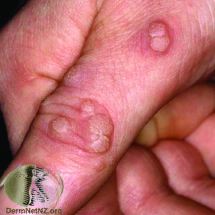
 The first description we have of the influenza virus was from Hippocrates (my hero!) 2400 years ago. He dealt with it every winter, endlessly, just as we do now. Nowadays it makes between 3 and 5 million people sick each year, and kills 250 to 500 thousand people annually. In the US we average 200 thousand hospitalizations and 36 thousand deaths yearly. Persistent, nasty little bugger.
 If it seems like you are always fussing at your child to get his or her homework done, it’s because you are always fussing at your child to get his or her homework done. There are more than 2000 school days in your child’s life, all of which seem to end with homework. Over time that means you need to inspire your children to do about 4000 hours of schoolwork at home, when friends and screens are calling their names.
 Back-to-school season is the perfect time to think about how change impacts children, how to help them through it, and the positives that come when kids learn to be flexible and resilient.
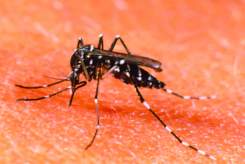 The Zika virus was first isolated from a Rhesus Macaque monkey in 1947 in the Zika Forest in Uganda (zika meaning “overgrown” in the Luganda language–gotta love useless trivia!); it was first isolated from a human in 1954 in Nigeria. It appeared sporadically along the equator in Africa and Asia for several decades until it spread to French Polynesia in 2013 and then to Latin America, Mexico, the Caribbean, and now the US.
 When the days warm up, pediatric offices see a lot of summer skin problems. Kids aren’t often ill during the summer, but they do get sunburns, bites, jellyfish stings, and rashes.
 Safety is not simple. There is no clear division between “this activity will be safe,” and “this activity will injure my child.” We could wrap our children up, keep them indoors, and not allow them to play with anything remotely dangerous—but then we would have a child who is lonely, overweight and really bored…who would get into trouble and injure themselves… Or not get in trouble and develop diabetes, heart disease and knee problems from obesity.
 Practical Parenting Blog