My God, not Yours!

kidsfightingIt’s been a bad week for religion in my house. I spent the last four years writing a book on parenting. It is everything I have learned in 30 years as a pediatrician, everything I care about. It is the crib notes on how to raise a happy, confident, brave child who knows he or she is loved and has the self confidence to take on the world. It is my heart and soul, torn out and put on a page.

A relative of mine just told me that she cannot recommend it to anyone, because she has serious reservations about its content. She said that it was without even the most basic, decent principles. She hates this book so much that she cannot bear to even open it and read a single page.

Yep, you heard that right. She never read a single word, but she knows it is terrible, because I do not belong to her religion. I believe differently than she does, therefor I am wrong and she can learn nothing from me.

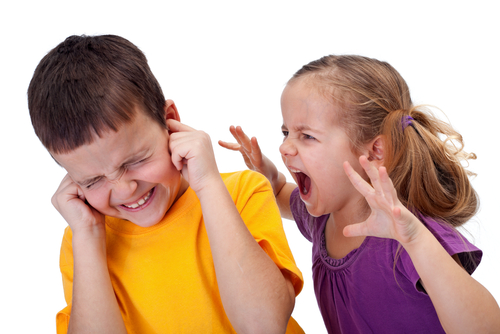
Religion is like the lunch table in the high school cafeteria. Everyone has a table at which they feel welcomed and at home. This is the best table in the room. This table, at which the football stars (cheerleaders…drama club…goths…science geeks…) sit is the best place to be. My group knows the way things should be, the correct way to do things. They know what really matters, because they believe the same things I believe. They are right, and everybody else is wrong.

We know how this story goes, because most of us have lived it. A person has to be pretty oblivious to overlook the agony of high school.

In order to be in the “in” group, somebody else has to be out. We cannot be “better than” if we do not define someone else as “less than.”

Let’s agree for a moment that all religions are basically the same: perhaps they all preach respect for life, honorable behavior, caring for our fellow man, living in peace (which, oddly, they do…), why then do we join a specific one, when all are equally uplifting? Why then denigrate the others, when we actually agree with their basic philosophy?

It is the fault of our inner two year old. That raging toddler wants to be special, and particularly loved. He wants to sit at the grown-up table. He does not want to be one of the masses, no better or worse than any other toddler.

In order for him to be special, someone else has to be inferior. By pushing someone else down, he can climb up. He can be in the privileged group, the one that has it right.

To maintain this position and keep the group intact, people outside the group have to be different, and wrong. They have to be wrong even though they are saying basically the same things he is.

Like in high school, where everyone else actually wants the same things you do: to survive, to have friends, to learn how to take charge of their own lives – the others have to be wrong so that you know you found the right path. Into the lockers with that geek! Laugh at that football player when he gets the answer wrong! Trip that homely girl! Feel that little boost in your own self esteem!

I, too, have a dream. I dream that we can all respect each other as equal human beings and let go of that need to be special, and better than; that we can deal with our own insecurities without needing to stomp on someone else; that we can perhaps intervene when we see weak, insecure bullies attacking others simply because they are present in greater numbers and they can only see their own path.

Wouldn’t it be great if we could learn from each other and expand our minds and hearts, rather than letting them shrivel into dried up husks of judgement and bigotry? Imagine if, when we met some one of a different culture, religion, or sexual preference, we could say “Interesting! What’s that like?” instead of “You’re going to burn in hell because you don’t enclose yourself in my style of box!”

When that geek (drama fan…athlete…homely girl…atheist…) walks by your table, kick out a chair and invite him or her to sit down. Be a better person instead of just getting your group to tell you you are.
Cutting: How to Help Our Children

razorblade-01Everything old is new again. A few decades ago, kids who wanted to hurt themselves used lit cigarettes, pulled out their hair, punched their fists through glass doors, or beat their heads against a wall. Nowadays, the most common method of self-injury is cutting. Parents don’t understand it; sometimes they don’t even see it. I have had parents tell me it didn’t make sense, that their children were only doing it to get attention, or that they were just doing it because it’s a fad. Parents are afraid and confused, and they react with anger and denial. As always in parenting, knowledge is essential. If we want to help our children, we need to start with understanding them.

What is Cutting? 

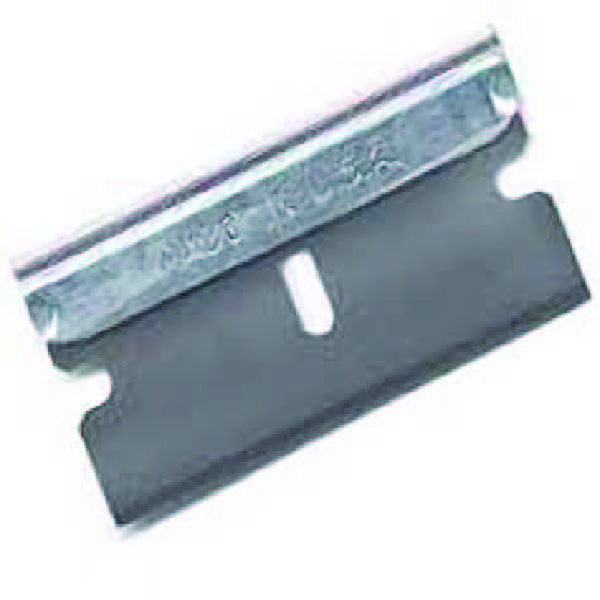
Cutting is one aspect of self-injury. “Cutters” slice shallowly through their skin with a sharp object, like a razor. They generally cut in areas that can be hidden and are easily reached, most often their inner forearms. We also see it on chests, abdomens, and the inside of legs. They usually slice a series of 2 or 3 inch parallel lines into their skin in the chosen area.

People who self-injure also sometimes burn themselves, punch themselves, bang their heads, break their bones, or carve designs into their skin. They will pull out their hair, bite themselves, or pick at wounds so that they don’t heal. They look in mirrors and  yell obscenities at themselves to make sure they know that they are not worth the air that they breathe. We absolutely have to take this seriously.

Why do they cut?

It is a way of focusing and externalizing emotional pain. Physical pain is much easier to handle than the anger, frustration and depression they carry inside. Self injury is usually impulsive, prompted by an event that causes emotional devastation. Afterwards, they feel relief: they made a decision, took action and punished themselves for the crime of existing. There is a sort of pride in the fact that they were strong enough to see the punishment through. They are balanced on an edge: if they chose, they could cut a little deeper and not have to exist any more. They transiently feel in control, at least of their own bodies; the power is theirs. Later, they are overtaken with shame and guilt. The belief that they are worthless is reinforced, because what kind of an idiot would do this to themselves? The cycle starts over.

Who cuts?

Girls self-injure more frequently than boys; teens more often than young adults. Peer pressure has a huge effect: supportive friends can protect your child from him or herself, and allow a healthier outlet for the pain. Friends who also self-injure will pull them in the wrong direction. If a child is alone and lonely, the anger and self hatred can circle in their heads and build.

Kids are also more likely to break out razors if they have been neglected or abused, and after they experience a trauma; conflicts at home or in school can intensify the behavior. Self-injury is also more common in kids who have questions about their identity or sexuality. It is more common when kids are under the influence of alcohol or drugs. Last, it is more common in kids with eating disorders, depression, and psychiatric disorders.

As these children get older, their methods of self-injury change. Young adults develop eating disorders, become sexually promiscuous, drink to excess, take drugs, and put themselves in harm’s way. They might walk in front of a moving car to see if the car can stop in time, irritate people to start fights, or engage in damaging relationships. It is the motive that matters, not the method.

How do we know?

The first step in helping these kids is to notice that they are doing it, and to care. A child who self-injures will have scars from prior cuts, or burns. They will have fresh injuries: broken bones, bruises, cuts, or burns, with poor explanations. They will cover the area of their bodies with these injuries; usually children are quick to show their injuries and tell you the story of how it happened. If you never see your child’s forearms, look. These kids will keep sharp objects handy. In the same way a lighter should make you wonder if your child smokes, a razor blade should inspire you to start a conversation about cutting.

A child who cuts tends to be a loner who has problems maintaining relationships. They tend to have emotional labiality, moving from happy to angry in a split second. There are frequently other behavioral issues, such as trouble in school or with the police. They do sometimes tell their parents, but are not always heard. If your child tells you that there is no point, nothing will ever work out, or they wish they were dead, listen. It is human nature to try to communicate, but we do not always do it in a way that others understand. Self injury is not only a symptom and self therapy. It is also communication, if you will only look, see, and care.

How do we help?

What do we do about it, after we stop crying and shaking?

  • We treat it seriously. Open a conversation, and listen. It is a small step from “I deserve to bleed” to “I deserve to die.” Bring your child to the doctor, even if he or she doesn’t want to, even if you promised you wouldn’t.  He or she will need to see a therapist.
  • Provide emotional support: accept your child exactly as he or she is, love them, and let them know that you will love them no matter what. Don’t yell, punish, threaten, or judge. Issue no ultimatums.
  • Lower their daily stress level. Sometimes this is as easy as letting them know that they do not have to be perfect; sometimes cutting back their work load of academics, job, and extracurricular activities will help. Keep their home stable and safe, and be a good example.
  • Work to repair their self esteem. Part of this will be work with a psychologist. Encourage them to find friends with like interests (perhaps sign them up for classes or activities that they find interesting?), and engage them in activities at which they excel. Nothing repairs self esteem like achievement. Do things together that they enjoy.
  • Their therapist should teach them to distract themselves from circular negative thinking. This is a learned skill; it is much easier to repeat the same old ugly “truths” over and over in your head, until it seems impossible to change.
  • That psychiatrist should also work on teaching them to stand up for themselves. Girls especially are not good at saying “no.” Self respect is essential to prevent self-injury.
  • Monitor the media they interact with, because there are sites that glorify and reinforce self injury. Also monitor them for signs that they are relapsing.
  • Take an interest in who their friends are, and how those relationships are going. Are they able to maintain a friendship, or do they run through friends frequently?

Self injury is astoundingly common, very real, and serious. We need to see our children, listen to them, and believe them. The history in their heads is the true one to them, and the one that matters. Denying it’s validity only reinforces their belief that they themselves are stupid, or wrong, or worthless. Empower them to deal with their truth. Support them with your love, acceptance, and respect. Give them a better measuring stick with which to judge themselves: one that puts their own personality, talents and abilities at the top.

Childhood Obesity: How do we have an impact?

broccoli-01So, last week’s blog was about the whys behind the increase in childhood obesity: why it has gained such a firm hold in our society, and why we need to care. This week is about how we can promote change, going into the future. What works? What is the plan?

Our objective is clear: we want healthy children. To achieve this when our children are overweight, we need to decrease the calories they take in, and increase their activity: get rid of junk foods and get them moving. If children take in more calories than they work off, the excess is stored as fat. Math works.

We also need to get our children to eat only nutritious foods, except on special occasions. If kids eat junk, which does not have in it the nutrients they need, they have to overeat total calories to get those nutrients. Bad idea. So how do we make this happen?

We start by using the power of positive reinforcement. It is a proven fact that rewards work better than punishments to change people’s behavior. It is human nature to repeat actions that make us feel happy and appreciated. Hence the popularity of slobbery dogs. Even better: how long would you go to work if you did not get a paycheck? Do you find that you do better work when you feel appreciated? If we are going to change habits, we need to focus on the positive and let go of the negative. We need to make eating healthful foods and being active more rewarding than stopping for fast food and eating chips. This is not hard, because there are a multitude of easy rewards appropriate for eating your broccoli: from smiles and hugs to feeling good and saving money. How could a toy in a kid’s meal possibly compare?

Never try to place blame: it evades personal responsibility and it solves nothing. Similarly, not only is it unkind to judge and condemn people for being overweight, it is also ineffective as a means for change: it doesn’t work. Stop doing it, and intervene when someone else does it.

Do set up the playing field in your favor. Only buy healthful foods. It is much harder to eat a doughnut when you get home from school if no one bought doughnuts. It is difficult to buy a soda at school if there is no vending machine. It is immeasurably easier to win a battle that is never engaged.

Consistency and routine are your best weapons to take into the fray. If you sometimes stop for fast food on the way home from school, simply getting into the car can elicit demands. The trigger is already in place to remind your children of their habit.  Alternatively, if you never stop for fast food on the way home, why would it even come up in the conversation? If the routine is “never”, the response to a request for a snack cake is a head shake and a laugh; if the routine is “sometimes”, the response to a no is whining, each and every time. Children’s minds settle comfortably into routine and habit, so a habit of only eating healthful food will save you a lifetime of arguments.

Rethink what and how you feed your children at the most basic level, to redesign those routines. Start with awareness of what your children need every day, then plan meals that will get them there. Don’t buy the foods that do not have the nutrients they need. Get rid of preconceptions based on family history, media, and friends (contrary to popular belief, there is no daily requirement for potato chips, and “only one soda a day” is one too many). Evaluate your family home and everyday habits. When and where are we keeping food and eating it? What needs to change? Does your child walk by a pantry filled with snack cakes and chips as he gets home from school? What might happen if we throw those out and place a bowl of fruit in his path? What if the only cold drinks in the refrigerator were water and low fat milk? What if we required our family to gather at the dinner table and converse? Change the routines, because when we change a habit the effect of that small change is magnified by the multitude of days in which that habit would have persisted.

On the other side of the equation is the burning off of those calories. The target for children’s activity is a minimum of 45 – 60 minutes of vigorous exercise as many days as possible. This needs to include all kids, not just athletes, because the purpose is to get fit, not to win fame. By no means should this be their only activity: as a general rule, if they are awake and not tied to a desk or reading, they should me moving. The first step to getting them moving is to limit non-educational screen time to maximum of 2 hours per day. Bore them into activity. They can choose the type, as long as they are moving. The second step is to get up and do it with them.

Make a plan and a commitment, and then act:

  • First, purge the pantry of all junk food (no “We paid good money for that food!”) Throw it away.
  • Make a meal plan of nutritious foods for the week, considering your schedule, and write out a grocery list. Only buy what is on the list. Read labels (watch total calories, not just fat or sugar). Emphasize fresh, seasonal foods.
  • Aim for fully half of what your family eats to be fruits and vegetables.
  • Make less food, and serve smaller portions. Hungry children can have seconds and thirds on the broccoli, not the potatoes, because you didn’t make more potatoes.
  • Teach your kids to eat slowly, putting their fork down between bites to enjoy conversation with the rest of the family. Let their brains catch up with their stomachs.
  • Eat more high fiber foods (they are more filling), less meat and starch.
  • Eat at home, as a family. Restaurant portion sizes are too large, and they use too much salt, fat, and sugar.
  • Teach your children to eat when they are hungry rather than for reward, comfort, or boredom; also to stop eating when they are no longer hungry. Be a good example.
  • Make it a rule that treats are only for special occasions.
  • Do not expect a quick fix; results come over the long term.
  • Last, realize that kids have one big advantage: if they just keep their weight the same, they can grow into it. Don’t make weight loss the goal. The goal is a long-term habit of eating a nutritious diet.

Ignore the peanut gallery, because you have to persevere: their lives depend upon it. It is the responsibility of the parent, caregiver, coach, and school to offer the children in their care nutritious foods and to be a good example. Do not feel guilty because they are temporarily unhappy! You love them; therefor you will not give them foods that cause all those awful health problems. You will do this for ever and ever, because when the grown-ups are consistent, the kids give up.

Recruit your friends and family, because “it takes a village” (sorry, couldn’t resist). This might in the end mean avoiding people – family and friends – who undermine your efforts. Grandma can see her baby when she learns to behave.

Community support is absolutely necessary if we want to turn this around. Schools must consider what food is available for breakfasts, lunches, and in vending machines. The adults in children’s lives need to be good examples: from parents to teachers to Hollywood actors and sports figures. Education needs to be readily available for both children and their grown-ups. Adult education resources are needed for parents, childcare workers and community leaders to learn about nutrition, the basics of meal planning, grocery shopping, and cooking.

If we can change the community of thought about food and exercise, kids will not be alone in developing new healthy habits. Their parents will also become more fit, as they role model healthy behavior. Our society’s medical costs will shrink, along with a mountain of heartbreak, family stress and financial woes.

When people have knowledge about nutrition and are in the habit of eating healthy food when they are actually hungry, they will pass this knowledge and these habits down to their children, and their children’s children, and healthy habits will persist. They can change the future of their family.

We can do this, and it is absolutely worth doing.

Childhood Obesity: Why It Happens

So. My goal for this blog was to be both accurate and comprehensive; broccoli-01the result was that it was very long. We need to have a thorough understanding of both the why’s and the how to’s if we want to make a difference in childhood obesity. This week covers just the first half, so you won’t nod off before the end. Today is all about the what and why; next week is about how we fix the problem.

Obesity is defined as weight more than 20% above a person’s ideal weight for their height. Morbid obesity is weight in enough excess that it affects a person’s health, or “causes morbidity.” In 2010, more than 1 in 3 children were overweight or obese. At a time in their lives when children should be running free and unencumbered, they are instead carrying the baggage of a society that has lost its way. Although issues like hypothyroidism and low levels of Leptin (a hormone that makes us feel full) can cause weight gain, medical causes account for less than 1% of the overweight kids.

Obesity has more than doubled in children and tripled in adolescents in the past 30 years. Rather than 5 or 7% of children being morbidly obese, as they were in the 80’s, now 18% are. Three quarters of these obese teens will become obese adults.

Why do we care? There are, of course, the physical health risks, including:

  • heart disease
  • stroke
  • high blood pressure
  • type 2 diabetes
  • degenerative arthritis
  • chronic back and knee pain
  • slipped capitofemoral epiphysis (a crippling hip injury)
  • ankle fractures
  • several forms of cancer (colon, thyroid, prostate, and breast, among others)
  • pseudogynecomastia (breast development in boys)
  • gallstones
  • obstructive sleep apnea
  • pancreatitis
  • skin infections
  • deficiencies of zinc, calcium, iron, magnesium, and folic acid from a junk food diet

There are also serious mental health risks, including low self-esteem, body image issues by as young as 5 years, anxiety, and depression. Overweight children are frequently the victims of exclusionism, taunts, and ridicule. Bullying overweight people is one of the last socially acceptable forms of bigotry.

Last, there are lifestyle limitations. For overweight children activity is harder, and the vicious cycle of a sedentary lifestyle causing weight gain, which causes a lower activity level, which causes weight gain, persists. Fueling this also is the fact that obese children will be offered fewer opportunities: they are rarely the first picked for the team, or the cool new job. Even their dating choices will be affected, partly by their appearance, but more by the damage to their self-esteem. There are also financial stresses, from the expense of processed foods, to increased medical costs, to fewer chances in the workplace.

So why do we do nothing about it?

First, we simply don’t see it. When our whole family, neighborhood, region, or country is overweight, after a while it becomes what we see as normal. Add on that our child has always been this shape. When shown silhouettes of children and asked which is most similar to their own child, parents of overweight children will pick out a thinner silhouette as theirs. The extra pounds become as invisible as the individual trees in the forest.

We don’t know what to do to fix it and, as adults, we are embarrassed to admit our ignorance. Add to this that people fear change. Grown-ups like to feel capable and comfortable in their lives. People generally take what they learned in childhood as true, and continue unquestioningly down that reassuring and undemanding path. It can take an unexpected event, like a child being diagnosed with diabetes, to shake them up and make them think about their choices. Even then, parents need to be able to find the resources to learn, and there are few easily accessible ways for an adult with only a few spare minutes to learn about nutrition, grocery shopping, cooking, and exercise. So we flounder, and persist in our habits.

If we do decide to change, it can be just too hard. Learning about nutrition, grocery shopping, cooking and exercise, in addition to working at our jobs and taking care of our families, is difficult to fit into the schedule. Then we have to actually do the grocery shopping, cooking and exercising. Add on fighting with children, and possibly a spouse, used to eating whatever they want and zoning out in front of a screen (TV or computer) whenever they want. It is immeasurably easier to let them snack on junk and watch a screen, than to make them eat vegetables and exercise.

Moreover, people believe that preparing nutritious food and getting their kids to be more active requires resources that they do not have. They truly believe fresh nutritious foods are expensive, when in actuality 4 servings of vegetables or 3 servings of fruit can be had for about a dollar. They believe their kids won’t eat healthy foods, and the groceries they spent their hard earned money on will rot. They have seen it happen before. When kids have both healthy food and junk options, flavor saturated junk wins, and healthy foods go bad. Similarly, parents believe that if they want their kids to exercise, they have to pay for expensive exercise programs and organized sports. In reality, play is free.

People see their behavior as acceptable, because everyone they know eats and behaves in the same way. Even the advertisements they see, and the TV and movies they watch, inevitably show people eating fast food and junk.

Last, the reason we hide even from ourselves: parents are unwilling to have change interfere with their own lives. They don’t want to spend what little free time they have preparing food and exercising with their children. They are comfortable with their routines. It is easier to let the screen entertain the kids, and they have no real interest in getting up and playing with their progeny. They are equally unwilling to do without the foods they like, even though they know they should do better. Since no one wants to cop to this, they instead pile the weight of conviction onto all the other, less guilt inducing, reasons.

If we want to improve our children’s health, these are the obstacles and the challenges. Human nature is an unalterable certainty. Ignoring it while trying to force change will get us nowhere. Next week’s blog will be about how to work within the confines of human nature to change the choices parents make, and help our children live healthier lives.

a Gluten Free Blog…

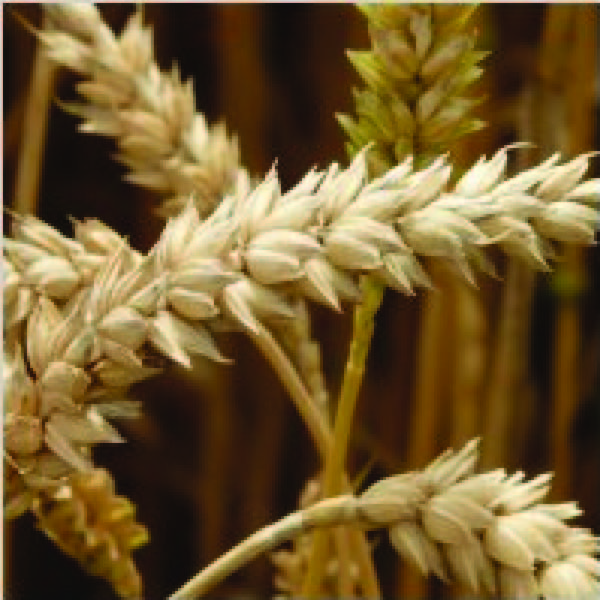
I recently heard some very strange theories about gluten. wheat-01Reminiscent of the telephone game we played as children, whispering into each other’s ears down a line, what people hear at the end is very different from the reality spoken at the beginning. Let’s clear up some confusion.

Our ancestors survived in no small part due to the development of cultivated grasses: the seeds of grasses are high in carbohydrates for energy, protein for strong muscles, and fiber for bowel function. They contain iron, B vitamins, zinc, and magnesium. They could be dried and stored, so groups of people could stay in one place and survive the winter. Worldwide throughout history, every culture has developed some sort of grain based food as a staple, from bread to flatbread, corn tortillas to rice.

Gluten is the protein found in wheat, spelt, barley, and rye grains. It gives elasticity to bread dough so that it can rise and maintain its shape and chewiness. Gluten is pervasive in our foods: it is in breads, pastas and cereals, is added into low protein foods to improve their nutritional value, and is present in everything from ketchup to soy sauce to beer. It is even in our cosmetics, hair and skin products.

Our bodies use the amino acids that make up gluten to build our muscles and everything from our fingernails to the cartilage in our noses; to make our immune system work so it can fight off disease; to communicate within our bodies; to carry oxygen through our bloodstreams; even to make sperm able to swim so the next generation can be born. We cannot make all of these amino acids ourselves, so we have to ingest them. Whole grains are an excellent source.

Since whole grains contain so many nutrients and have such fantastic health benefits, and since avoiding gluten is both inconvenient and expensive, let’s make sure living gluten free makes sense, before we commit.

Celiac disease is the condition we worry about with gluten. It is caused by an immune reaction to the gluten protein: it acts as an allergen in genetically predisposed people, like pollen to people with hay fever. It is most common in the Saharawi in the Western Sahara and Spain. In the US, about 7 in 1000 people have it. It is programmed into the DNA of affected people, inherited from their ancestors, like having blue eyes or brown hair. The inheritance is complex, with many genes contributing, so the disease has a variety of presentations. Children most typically present between 6 months and 2 years of age with weight loss, diarrhea, muscle wasting and abdominal distention. Some less common presentations include:

  • Iron deficiency anemia
  • Poor growth
  • Delayed puberty, infertility
  • Itchy bumps on the elbows, knees, and buttocks
  • Mouth ulcers
  • Arthritis
  • Chronic tiredness
  • Behavioral problems, depression
  • Headaches
  • Weak, thin bones with frequent fractures

It is more common in people with Type 1 Diabetes, Down’s syndrome, autoimmune disease, and thyroiditis. The symptoms can be more severe when there is concurrent illness, like rotavirus or a toxin ingestion.

In the people who have Celiac, gluten triggers an inflammatory reaction which causes the little absorptive pillars in the small intestine to die off, and causes crypt hyperplasia in the walls of the gut. This affects the person’s ability to absorb nutrients, resulting in the weight loss, diarrhea, and the other symptoms listed above. It also causes the production of antigliadin antibody (AGA), tissue transglutaminase (tTG), and antiendomysium antibody (EMA), which can be tested for and are used to screen for Celiac disease. Convenient, yes?

If you think your children might have Celiac disease, get them tested. If the test is positive, he or she will need to see a specialist and have a biopsy done to confirm the diagnosis. Children who test positive for Celiac disease need to consult with a nutritionist, both to learn which foods and products contain gluten, and to learn how to maintain a healthful diet without the many things that include gluten. Short term, deficiencies of trace elements, vitamins and minerals are common with a gluten free diet (zinc, magnesium, iron and B vitamins especially); long term risks include cancers of the gut and recurrent bone fractures. Deficiencies can lead to anemia, poor immune function, poor growth, skin lesions, messed up heart and brain function, and a host of other unpleasant symptoms. Living gluten free is not something you would want to attempt without knowledge and expert guidance.

A gluten free diet is a medical necessity for people with Celiac disease. It is not a healthful way to lose weight. It is also not a good way to nourish your child. Sustenance should not be a fashion trend.

Children use food to lengthen their bones, grow their muscles, build their brains, and give them energy to run, climb, and think. We need to avoid feeding our children things like concentrated sweets, sodas, and greasy fast food; we do not need to avoid whole grain breads and cereals.

Whole grain and protein are not in any way toxic, even though a very few people are allergic and have to avoid them. Pretending to have an allergy to be “hip” is just silly, and disrespectful of the people who actually have Celiac disease.

If your children do not have Celiac, stick to a nutritious diet including whole and enriched grains. Feeding your children a gluten free diet when they don’t have Celiac disease is not only inconvenient and expensive, it also carries with it serious risk to your children’s health.

To grow, two-year-olds should have about three ounces of grain per day; by four, they should get five ounces; between nine and eighteen, they need to take in between five and eight ounces. At least half of this should be whole grain; the rest should be enriched (iron, vitamins and minerals added back in).

Don’t let fads decide for you what to feed your child; rely on common sense and nutritional science. Focus on fresh fruits and vegetables, then add whole and enriched grains and a little protein. Sit down and eat together as a family, and watch your munchkins grow and thrive.

the Pope, and the Smacking of Children

So, I haPrintd great hopes for this Pope. He was a man of the people, a decent human being, and truly seemed to care and connect with his community. Then he said that birth control would never be allowed by the Catholic church, and followed a few hours later with: This does not mean you have to breed “like rabbits!” Sigh.

Now, he has commented that it’s OK to smack your kids, as long as you don’t humiliate them. Yes, I will admit he was talking about spanking, which seems to be a blind spot, but the only place he outlawed for said smacking was the face, and hitting is hitting.

I am not happy, and when I am not happy I make lists. Below is an even dozen tips on how to discipline kids that, while not ordained by God, is based on common sense and a lot of experience with children:

  1. Don’t hit your children. It is not possible for a big person who is four times the size of a small person to immobilize them and hit them, without frightening and humiliating them. It can’t be done.
  2. Before you discipline, make rules that make sense, and inform your children. You shouldn’t punish them for breaking a rule they didn’t know about.
  3. Decide on the manner of discipline before they break the rule. Never decide on the punishment when you are angry; you will do things you later regret. Involve the children in the decision. “What do you think would be an appropriate punishment if you break this rule?” Kids can come up with some very creative punishments. Don’t listen if they want to be burned at the stake, or shot into outer space.
  4. Be consistent in your discipline. They knew the rule, they broke it, they get the punishment each and every time. Don’t even think of issuing a warning for a rule they already knew. Kids are smart; they will figure out that they can break any rule, once.
  5. Make the discipline appropriate for the crime. If they broke a toy, they loose the toy. Mean to another child? Being made to appoligize is harder than any spanking, and the memory will make them consider before they do it again. Look at porn on the internet? “I guess you get to do your computer homework in the kitchen where we can see you. Dude.”
  6. Make the discipline immediate and short term. None of that “Wait ’til your father gets home!” stuff. If you wait too long, your child will disassociate the punishment from the crime. The same thing is true with punishments that last more than a day or two. Three months of grounding for that, umm, incident, will loose its effectiveness after a while.
  7. Hold out hope for the future. Your child needs to know that you still love him and he may someday get his tablet back. The stick doesn’t work without the carrot in place. “Pick up that mess you made and we can sit and read that book you love!”
  8. Don’t tower over your child when you enforce discipline. Start with the respect any human deserves, get down to their level, look them in the eye, and explain the problem.
  9. Alternatively, don’t allow the discussion to devolve into excuses. Your child needs to take responsibility for his actions, not try to talk his way out of trouble.
  10. Make sure you squeeze in more rewards than punishments. Forever. How long would you go to work if you didn’t get a paycheck? Hug that child when he shares his toys. Play ball with her when she finishes her homework. Be astonished and happy when they clean their rooms. Rewards will always work better than punishments.
  11. Teenagers are, as always, a special case. Their brains are not fully developed yet, and they will not be able to see the consequences of their actions far into the future. They are also not always rational: a teen once asked me if it was true that a girl could not get pregnant if she put a yellow skittle in her vagina when she had sex. They need freedom to make mistakes, but they also need to be protected from mistakes that will kill their futures. Watch them, without blinders. Know where they are and what they are doing. Contracts work: if they know you will come and pick them up anywhere, anytime, and not freak out in front of their friends, your child will call you. You can discuss the consequences with them in the morning.
  12. Again: Never hit your child. Not only is it disrespectful and humiliating, it also simply doesn’t work.

Realize that the goal of discipline is a well adjusted, self confident adult who has a good relationship with his or her spouse and children, and a good reputation at work; the goal is not a well behaved thirteen year old. Have patience and keep the long view. Your child is worth it.

I do have hopes for this Pope, but if you are going to tell people that they need to control their birth rate, it is unkind to outlaw the most reliable ways to do that. It is poor parenting to tell your child to do his homework and then remove all the books, paper and pencils from the house. And perhaps an unmarried man with no children, who has never been faced with the possibility of that 2 AM phone call from the emergency room, is not the man to discuss the intricacies of child discipline.

Kids, Tech and the Social Media

So, I’ve been thinking. (Never a good thing)

Would you consider signing your children up for an experiment? I would like to change the way they interact with every aspect of their lives, from how they see time, to how they converse with family and friends, to how they learn and envision the world. I would do this by attaching a devise to their bodies that they would have to consult thousands of times a month in order to function in society. Then we would set them loose and see how they turn out in 10 or 15 years. No safety net allowed!

What makes this experiment interesting is that you’ve already signed them up for it.

Kids these days see a clock as a series of minutes clicking by on a digital device, rather than as two sets of twelve hours, with high noon dividing the day in half – a completely different view of the progression of time from what has been traditional.

Teens text an average of 3400 times each and every month, adding both the immediacy of constant contact, and the distance of a fractional interaction, to every relationship. Are all these “friends” really friends? How easy would it be to substitute these relationships for real ones, which would require work, and personal contact? How will this affect them as their lives progress?

Children learn by searching the Internet, rather than by hitting the library. They won’t see the information in the paper pages surrounding the one they searched for, but they will see all the other stuff that pops up with their search words. It is impossible to know how this will shape their store of knowledge and the way they think, but it is undeniable that it will have an affect.

Video games are everywhere and unavoidable. If your image of a female is a comic with huge breasts and torn clothing, how does that affect how you see yourself, if you are a girl? If blowing things up and chopping at people with a sword are every day activities, surely that will desensitize you to violence.

Who knows what new tech will come out next year, or in ten years, and how it will change our world.

Exposure to the Internet and technology is impossible to avoid. Your children live in this generation, and will have to function within its norm.  The young man without the cell phone will not be invited to the party; the young woman who doesn’t understand the slang used by her peers will get an eye roll and be left standing alone. The intern who looks blank when the boss asks him or her to create a spreadsheet to perform a task or analysis, will not be hired.

If you were to decide it was not worth the risks and tried to limit your children’s access to tech, they would find a way. No one wants to be that kid, and the future demands they have the knowledge and ability.

So what sorts or results might this great social experiment yield?

First, a redefinition of privacy.  What was previously clear – behind the closed curtains, of course! – is now murky. Where does our personal space end, and shared space begin? Embarrassing baby photos in an album can be tucked away on a shelf. This generation will have a childhood full of embarrassing pictures logged on Facebook, for anyone to see.  What should be kept private, and how will we manage it? Perhaps people will become more kind, because they too will have bathtub pictures.

Everyone needs down time. Time spent away from work, away from even friends, is essential for our sanity, yet tech can always find us, and invades every inch of our space. We will need new rules to make us inaccessible in this age of texting, webcams and Skype. Perhaps a privacy button, with an automated butler to take a visitors card for delivery later, when one is “in”?

With knowledge available at the touch of a button, will our children be expected to know more? If information about the new guy’s culture can be had with a keystroke, what reason would there be for ignorance? Laziness, or intentional bigotry? There used to be a limit to our “pocket knowledge.” Now the world fits in our pocket. How do our children live up to that?

The world at one time rotated slowly, and generations could go by before any real change happened. Now every minute brings a new change. Will this make our children frightened and insecure? Or will they be more open to change, more engaged in every moment of the time they are given? Further, could they become change junkies, needing new things constantly to stave off boredom?

Where will this stream of new ideas come from? Creative geniuses are the rock stars of the future.  If creativity is valued above graces like beauty or strength, might our children be unleashed to let free their imaginations? Conversely, will the next generation be judged harshly when they lack technical skills, the way prior generations have been condemned for lack of athletic ability or beauty? Or can we learn to accept the beauty of human diversity, since it will be apparent on a screen in the palm of our hand?

In the same way it is hard with our current technology to maintain privacy, so will it be hard to maintain our distance from the rest of humanity. If we want to believe we are somehow different from and better than other humans, we have to do our best to not see and understand them. This is hard to do when a family suffering on the other side of the world can be on your computer screen instantly, and they can join into the stream of consciousness on your twitter feed.

It is impossible to know how technology will change humanity, but it is inevitable that we will be forced to evolve. So dive in.

Participate in your child’s experience with technology, and inspire them to use it to increase their understanding of the world and express their creativity. Show them the risks, and make sure they understand the responsibilities. Then step back and watch, because the Internet and the array of technological advances available now and into the future gives this generation, no matter their circumstances, the tools to understand each other better than any prior generation, and to do any amazing thing they can imagine. It will be an adventure!

How to Prevent Carbon Monoxide Poisoning

Okay, I tried, but there is just no way to make carbon monoxide interesting. Read it anyway, because it’s good for you: you need to know this stuff. Like eating your vegetables. Every one of us encounters carbon monoxide on an almost daily basis, because it is ubiquitous and sneaky. We need to know where it comes from, how to avoid it, the symptoms it causes, and what to do if we or our children are exposed.

Carbon monoxide (CO: one carbon, one oxygen) is a colorless, odorless, tasteless, and initially nonirritating gas produced largely by partial oxygenation of carbon based fuels. Complete oxygenation would produce carbon dioxide (CO2), which we exhale every time we breathe. Plants use that to make us more oxygen.

CO can accumulate in poorly ventilated, enclosed areas. When we breathe in large amounts, the CO binds with the hemoglobin in our blood and forms carboxyhemoglobin. Carboxyhemoglobin circulates through our bloodstreams like the regular stuff, but it does not like to release its oxygen to our brains, hearts, muscles, and organs. We suffocate while still breathing the air around us.

Aristotle, who lived around 300 BC, was the first person to note that coal fumes led to “a heavy head and death.” In ancient times, it was one way criminals were killed: they were locked in a small room with smoldering coals.

It is thought that CO is to blame for some haunted houses: its accumulation can cause hallucinations, disorientation, and delirium.

Oddly, a little CO can be a good thing: it is an anti-inflammatory, encourages growth of nerves and blood vessels, communicates between nerves, and may have some function in long term memory. Very little. Don’t go looking for it.

Statistics on CO poisoning vary significantly with who’s reporting them. It is considered to be the leading cause of poisoning injury and death worldwide. Poison help lines in the US report about 15,000 calls a year, with an estimated 70 deaths. Approximately 40,000 people seek medical care for exposures, and CO accounts for around 15,000 ER visits each year. The CDC estimates more than 500 deaths per year overall in the US, with the largest percentage being in the under 5 age group. More poisonings occur in the winter (gas heaters) and after disasters (generators).

CO is created by burning carbon-based fuels (wood, gasoline, diesel, propane, kerosene, lamp oil), by smoking (tobacco is a carbon based fuel), and by exposure to methylene chloride (degreasers, solvents, paint removers). Don’t smoke (so many reasons), and use degreasers, solvents and paint removers only in well-ventilated areas. Appliances that can produce CO need to be maintained, inspected annually, and well ventilated. Some of the most common ones are:

  • Forced air furnaces
  • Wood stoves/fireplaces (open that flume!)
  • Space heaters (non-electric)
  • Gas water heaters
  • Gas stoves
  • Gas dryers
  • Anything with a pilot light
  • Barbecues, Hibachis
  • Automobiles (never run them in an enclosed space!)
  • Generators
  • Fuel powered tools (if you put gas in it, don’t use it indoors)
  • Boats (don’t use those indoors either)

Symptoms of acute (not chronic) CO poisoning include effects on the brain (dizziness, headache, confusion, lethargy, drowsiness, irritability, irrational behavior), lungs (shortness of breath) and heart (palpitations, paleness). If exposure continues, loss of consciousness and death will follow.

Chronic exposure to lower levels of CO can result in headaches, depression, confusion, memory loss, nausea, and permanent neurologic damage.

Pregnant women, fetuses, and children are especially sensitive. As with most poisonings, children’s small bodies are more sensitive, their higher metabolic rate brings it into their bodies more quickly, and they don’t have the ability to escape.

People with lung, blood, or heart disease, like asthma or anemia, are also more susceptible.

Of note is that CO damage from methylene chloride can last twice as long as that from burning carbon based fuels, because it is stored in our tissues.

Overall, it is a good idea to prevent any exposure to CO. Maintain and inspect those appliances, and make sure they are vented. Open the flume when you have a fire in the winter. Never barbecue or use a hibachi indoors. Throw out the cigarettes, because people who smoke have levels of CO in their blood streams several times higher than non-smokers. Perhaps most important, since you can’t smell this stuff, install CO detectors near every area where people sleep. Many newer fire alarms contain CO detectors, making this even more convenient.

If you are exposed, go outside into clean air. If you are having any symptoms (light-headedness, shortness of breath, seeing ghosts…) seek medical attention. They will give you oxygen and monitor your heart and brain.

Yay! You made it through, even the dreaded chemistry. Not as bad as you thought, right? Knowledge rules!

Cool New Tobacco Products for your Children…

Creativity and imagination are such good traits that, over the last few years, the tobacco industry has cultivated them. As their sales sagged, they found new ways to increase income. The assortment of tobacco products recently available, from dissolvable tablets, to powders, to inhaled vapor, can be very confusing.

Last month a one year old child died after swallowing liquid nicotine from a vapor refill. None of the new tobacco products are regulated or standardized. They can be legally advertised to children in all but 4 states. In 10 states and Washington DC it is legal for minors to buy these new products. Childproof caps are not required, and as little as ½ teaspoon of liquid nicotine can be toxic to a child. In 2014 poison control received 3353 calls for exposure to nicotine products, up from 1543 the prior year. Children can be exposed by inhaling the vapor, by swallowing the liquid, or by absorbing it through their skin. Children experience a racing heartbeat, vomiting, and grunting breaths, before they loose control of the muscles in their upper body and die.

Tobacco companies are marketing these new products as “reduced harm,” or smoking cessation tools, when in actuality they are attractive unregulated entry drugs designed to increase their customer base. We have a problem.

Since the first step in solving any problem is always knowledge, we need an understanding of all the new products. So here goes:

Smokable products include cigarettes, cigarillos, and cigars. Interestingly, since cigars and cigarillos are wrapped in tobacco leaves rather than paper, they are not regulated by the FDA.

E-cigarettes, electronic nicotine delivery systems, personal vaporizers, and vaping are all the same thing. Liquid nicotine passes through a cylinder where it is vaporized into a gas that is then inhaled. They are advertised as being less harmful because they do not contain the hundreds of poisons in cigarettes, only the one. By using them, your child forms the habit of inhaling addictive nicotine. Addiction plus habit equals initiation into a lifetime of bondage to tobacco. E-cig use has tripled over the last 3 years.

In addition, some of the kids are replacing the liquid nicotine with hash oil, a form of cannabis. Not good.

With a Hookah, flavored tobacco is passed through a water bath and inhaled through a mouthpiece: all of the dangers of smoking cigarettes plus the risk of infectious disease from the shared mouthpiece. Yum. Hookahs have recently become very popular, especially on college campuses.

Chewing tobaccos are loose leaves, pellets, or plugs of tobacco held in the mouth and chewed to release the flavor. Here you get all the side effects of tobacco plus the risk of loosing half your face to cancer. Isn’t tobacco great?

Tobaccos also come powdered, as snuff, snus, and dipping tobacco. Ground up tobacco is moistened and sniffed into the nose. This is sometimes preferred over chewing tobacco because no chewing or spitting is required.

Dissolvable tobacco is also becoming more popular. Tobacco is ground into a powder and shaped into pellets the size of tic-tacs, sticks that resemble toothpicks, or films that resemble breath strips. Sneaky tobacco.

Why do we care? The list of side effects from tobacco use is unreal. From second hand smoke:

  • Increased severity and duration of illnesses.
  • Increased incidence of pneumonia.
  • Increased incidence of ear infections.
  • Increased incidence and severity of asthma.
  • Increased sudden infant death.
  • Decreased math ability.
  • Increased ADHD; one study had a 12 times increase.
  • sleep problems.

From direct use:

  • Stroke.
  • Heart disease
  • Lung inflammation, which can cause COPD, emphysema, bronchitis, and pulmonary hypertension.
  • Cancer: lung, mouth, pancreas, bladder, kidney, cervix, and acute myeloid leukemia
  • Menstrual irregularities.
  • Decreased fertility in women, decreased sperm counts in men.
  • Do we need to mention the wrinkles, yellow teeth, gravely voice and foul smell?

Knowledge is power. Understanding just how dangerous tobacco actually is can inspire a parent to be diligent about preventing their child’s use of tobacco, or to perhaps even quit their own? It is worth the effort to live a life free of servitude to the tobacco industry, and to give your children, and your children’s children, the right to breathe.

How to Prevent Poisonings in Children

Prevention of poisonings is the grunt work of parenting. It is completely boring, repetitive, and endless. It is also absolutely necessary. I will try to make it as painless as possible.

First, some statistics to motivate you. In 2013, there were more than 1 million calls to poison help lines for children under 6 years of age. That’s almost 3000 kids a day exposed to potential poisons. 29 children died. Not that big a number unless, of course, yours is one of the 29.

Let’s keep that from happening.

The phone number for poison control is 1-800-222-1222. Stick it on every phone in your home, input it into your cell phone, and also into the grandparents and babysitter’s cell phones. Hopefully you will never need it.

The number one thing that will keep your children from being poisoned is your attention. They can’t get those pills off the counter or that detergent from under the sink if you are watching them.

Unfortunately, it is impossible to watch every child every minute of the day, so do safety proof your house and your habits so bad things won’t happen during a moment of inattention.

  • Store poisons up high (kids can’t reach them), out of sight (they don’t see them and become curious), and locked up (when all else fails, they can’t open them).
  • Make the locks automatic so you don’t have to remember to lock them as the phone is ringing.
  • Keep poisons in their original, labeled containers.
  • Don’t ever put poisons in anything that looks like a food container. I once had a child drink gasoline out of a big soda cup.
  • Don’t keep poisons in a purse, because kids love to explore purses. And because no-one keeps purses locked up and out of sight.
  • Keep the original child safety caps on everything, even though they are a pain.
  • Throw away poisons that you no longer need or use.
  • Don’t take medicines in front of a child, because children are excellent mimics; never call medicine candy, because they like candy.

So, what is a poison? Lets keep the definition loose: anything a child can ingest, absorb through their skin, or inhale that will do him or her harm. Another list!

  • Button cell batteries: They can eat right through the gut. They are in remote controls, key fobs, musical cards and books… Keep them out of reach.
  • Medicines, including vitamins, minerals, iron pills, and herbals: these are all more dangerous in a child’s tiny body.
  • Cleaning supplies: drain cleaner is a nightmare, bleach burns, abrasives abrade, furniture polish oozes into their lungs… Lock ’em up! Lock up those little laundry detergent packets too.
  • Pesticides: yuck. They cause fever, tiny  pupils, vomiting, breathing problems, twitches, seizures, and death. Respect pesticides.
  • Car stuff: gasoline, antifreeze, wiper fluid… Make yourself a high spot in the garage, too.
  • Heating stuff: coal, wood, and kerosine heaters need to be kept clean and in good working order; Kerosine and lamp oil are on the lock up list. Install smoke detectors and carbon monoxide detectors since you can’t lock up smoke.
  • Alcohol: you wanted to lock that up anyway, didn’t you? Kids drop their blood sugar when they drink alcohol, and can go into a coma.
  • Tobacco: The big worry is the liquid nicotine for vapor refills. 1/2 tsp can be toxic, they are not regulated, and they do not have child resistant caps.
  • Small magnets: not fun when two of them get together on opposite pieces of gut.

Now, about those habits. We tend to get stuff out of those locked spaces to leave on the counter, in a purse, or sitting open where we are working. Regret is not a fun emotion. Neither is guilt. Don’t leave those pills on the counter and go get a drink to swallow them with; pour out the drink glasses immediately after the party, put away the cleaning stuff before answering that phone. Be aware of any poison you have out, until it is locked up again.

The one thing that messes up all this preparation and care is a holiday, with all its incumbent disruption. Be especially vigilant during a holiday, a special occasion, or when you have guests. Stuff is everywhere, everything is hectic, and no-one is watching the kids.

Suspect a poisoning when your child vomits, has a strange odor, has staining on their clothes or around their mouths, burns around their mouths, or when there are open containers around.

If they look OK, call the poison help line, and be prepared to tell them what you think the child took, how much, how big he or she is, and where you are. Have the bottle in your hand when you call.

If something splashed into their eye, rinse it with tepid water for 15 minutes. Hold the eye open and aim the water at the corner by the nose.

If the poison is on their skin, take off the clothes covered with the poison, and rinse the child in the shower for 15 minutes.

If the child inhaled the poison, take them outside into fresh air.

If your child is unconscious, having trouble breathing, or seizing, call 911.

Take a CPR course, because everyone should.

Prevention of poisonings may not be the most fun and inspirational thing you do as a parent, but if you set the house up right and then watch your habits, you will never have reason for regret.