Anonymity and Denial in the Twitterverse

turtle2-01Playwright Tom Stoppard said, “Words are sacred. They deserve respect. If you get the right ones, in the right order, you can nudge the world a little.”

I am old enough to be amazed by social media, with its multitude of words and pictures. It did not exist when I was new. If we wanted enlightenment, we went to the library or read the Post. By the time we found our information, the events were already in the past. We knew people of different cultures existed, and events happened, but it was knowledge that came at a distance, blurred by its time-consuming transformation into letters and pictures.

When we curious children wanted to see what a woman looked like without her clothes, we stole our parent’s National Geographic and leafed through it for pictures of deepest Africa. Kennedy and Lennon were shot, but there were no cell phone videos or instant interviews. The stories unfolded over weeks, with time to adjust and get a little distance.

Social media now comes with immediacy and savage intensity. People’s lives are flayed open and placed on the screen for my perusal. If I presume to know anything about that woman in Africa, she can knock me upside the head minutes later, because she is in reality just a hairsbreadth away. If I pretend to wisdom, the whole world can judge me and let me know where they think are my errors in judgement.

This brilliant transparency should make us more authentic, more determined to write nothing that we would not stand behind to our deaths. We should claim our words without reservation. These words. are. me. Sadly, from a place of weakness and fear it can instead make us deny what we know, as we buffer our truth so as not to be responsible for it.

We write, “Tweets do not replace medical advice, retweets are not to be considered an endorsement.” We backtrack, and pad ourselves against risk. The most powerful thing we can do – put our thoughts into words for other people to see – we disclaim and weaken with “tweets are not meant to be advice.”

Of course they are! What would be the point, otherwise?

If we give thought to and write words down then they need to be true. Words are sacred. We record our words in the hopes that they will “nudge the world a little.” If our words are our truth then they have earned our faith: we have to stand behind them with our names and our identities.

Weakening our words by buying into a fear of lawsuits and judgement is a betrayal of our selves; it costs us a piece of our souls. Our words are us and denying them, even in a small part, allows decay to eat away at our own value.

Conversely, since we wrote those words with our very own minds and hands we should never, in the rush to say something, write down what we know is not truth: those words will also follow us through our lives. People sometimes feel that they can be nasty, petty, or judgmental on the internet because they are anonymous. They can twist the facts just a little to make their point. We must realize that there is no such thing as true anonymity. Even if no one else ever knows who wrote those words, you yourself do.

Persian poet Hafez wrote, “The words you speak become the house you live in.” Write only words that have a strong foundation and the solidity of truth, so that your house is yours alone and can hold up to the hurricane force winds of opinion. Hafez’s words are as true on the internet today as they were in the fourteenth century in ink on paper. Such is the power of words. Believe in them, and in your self.

4th of July: Avoid the Doctor!

safety signSunshine, water, and fireworks. What else could you need? To avoid the ER afterwards!

Oddly, most 4th of July injuries actually have nothing to do with fireworks, and everything to do with parents being so busy that they are not as watchful as usual. Sports are more dangerous when we want to impress cousins. Teenagers tend to get more reckless during a celebration, and young children sneak away quickly.

Most injuries are from everyday activities and household objects made dangerous by the craziness. So,…

Top Ten things that will land you in my office after the fireworks:

1.  Drowning: The 4th is all about water. Every year pediatricians see drownings and near drownings on the 4th. Never leave any child alone for even a moment near open water, whether it is an ocean, a bathtub, or a water bucket.

All it takes is one moment of inattention for a child to slip away. If there is open water, you need to be within touching distance and focused on your child. Pools should be fenced in and closed off with a self-latching gate at the end of the day, and all the toys should be put away. Life vests are fabulous for a parent’s mental health and relaxation (swimmies and floaties are not life jackets). Life preservers and a shepherd’s crook should be placed obviously nearby wherever kids are swimming. For more tips on water safety, check out my summer safety tips.

2.  Fireworks: I know, it’s obvious, but it had to be on the list. Please leave them to the professionals. It’s not worth months in the burn unit and doing physical therapy.  No-one thinks it will happen to their kid, until it does.

3.  Choking: Toddlers will put anything in their mouths. This means that everybody needs to pick up his or her stuff. Items over 1¼ inch in diameter are generally safe. Items smaller than 1¼ inch can go straight into their gut or lung. The most dangerous items to swallow are button batteries and magnets; the most dangerous to choke on are grape sized (older children’s toys, hard candy) or stretchy (balloons, plastic bags, marshmallows). Clean up!

4.  Allergic reactions: Holidays provide a banquet of things to irritate children’s allergies. Plants, foods, cigarette smoke, bonfires and other people’s homes and pets come to mind. Avoid them if your child has allergies.

5.  Fires and electrical injuries are especially common during holidays. Decorations can be flammable, candles and fires are commonly nearby. Frayed and loose wires easily start fires. I have had an astounding number of children run through banked campfires after dark. Block them off please!  Keep your eyes open for dangers.

6.  Poisonings: The one I see most is an overdose on Grandma’s meds. At Grandma’s home they are left on countertops; at your home they are in her purse. A left over drink is also a common way to poison children. A little alcohol can drop a child’s blood sugar and throw him or her into a coma.

7.  Alcohol inside the grown-up: does this really need explanation?

8.  Dehydration/Food poisoning: Watch their intake. It’s hot and the kids are running around in endless circles. Bring lots of water (the stuff mother nature made for you, not the stuff with caffeine and sugar added). Food left out in the heat for hours can grow things that cause vomiting and diarrhea. If you don’t know where it came from and how long it’s been there, don’t eat it.

9.  Scarce common sense: If it doesn’t seem safe, don’t let people pressure you into it. Make them wear that bike helmet! Trampolines and motorized vehicles (Sea Doos, dirt bikes) are never a good idea.  Feel free to let watching your kids take precedence over seeing Uncle Joe’s trophy or Aunt Mary’s vacation photos. “He’ll be fine” doesn’t make him fine. Keep an eye on him.

10.  Politeness: Feel free to be rude and head for home when the kids get tired, if a situation feels out of control, or if your child is being exposed to something you aren’t happy with. Use the munchkin’s youth or fatigue as the excuse for you to head home, relax and read a bedtime story.

The point of celebrations is to solidify relationships and give hope for the future. Focus on family, rejoice in the day and be careful.  Keep plans simple, pick fewer things to do, and do them together. Be safe and stay healthy.

Charleston: Let’s Not Let Roof Win

Change- just aheadDylann Roof did not murder nine people at the Emanuel African Methodist Episcopal Church in Charleston only because they were Black; he murdered them because he was a criminally insane psychopath.

Blaming their deaths on their race reeks to me of blaming the victim. We did not blame the kids at Sandy Hook; we do not blame rape victims. We did not tell the grieving relatives in Colorado that their loved ones died because they went to a movie. We told them that James Holmes was a criminal psychopath.

Yes, this particular psychopath had craziness is his head that focused on Black Americans. His brain was irreparably diseased. It is horrible that no-one noticed. It is worse that he was allowed to buy a gun. It is a nightmare that will never end for the families and friends of the people he killed.

But if we feed into his insanity we are giving him jurisdiction over our thoughts. Buying into his “I had no choice, I did it because they were Black,” adds weight to racial division that is already at an explosive level. He wanted to start a racial war: feeding into that is allowing him to win, and giving credit to his insanity.

The traditional description of psycopathology involves lack of empathy, lack of normal fear, and no impulse control. These people don’t care about anyone other than themselves: no one else is real to them. They are unable to comprehend danger to themselves. Their impulse control never develops: imagine a 2 year old who has a toy taken away, who immediately lunges to take it back, hitting the other child. Normal adults mature and learn to control their impulses, learn that other people matter. These people never do.

Psychopaths choose their targets based on the craziness circling in their brains. The victims themselves are completely innocent. If we say that they were killed purely because of White on Black racism we are treating Roof as if his thoughts are worth our consideration. They are not.

Horror, grief and anger may push us toward blowing this up, expanding it so that it includes other white men, or all white people, or even all people of any race other than Black.

That is what he wanted.

All young men are not child killers because one chose to murder at Sandy Hook; all men are not rapists because some rape; all parents are not child abusers because some beat their children. These murders could justifiably feed righteous anger and increase racial tensions, but in the end more anger can only bring more injury and death.

Healing will not happen through hatred. Hatred breeds more hatred – it knows no other path. Tolerance and consideration breed understanding; respect breeds respect; time heals.

We cannot feed evil, or it will thrive. His craziness is your endpoint if you allow yourself to hate.

If we want justice for the lives that are lost, and to find some grace in their deaths, we must use it to put an end to racial bigotry. Do the opposite of what he wanted. Say Enough.

The Rashes of Summer

skateboarder-01When the days warm up, pediatric offices see a lot of summer skin problems. Kids aren’t often ill during the summer, but they do get sunburns, bites, jellyfish stings, and rashes.

Sunburn

No one thinks about sunscreen on that first glorious sunshiny day, so sunburns are usually our first evidence that summer is here. Remember to use sunscreen, of course, and don’t forget to reapply it every hour.

If your child does burn, give ibuprofen immediately – it helps with the inflammation and can actually reduce the depth of injury. Use aloe generously: it lessens the pain, moisturizes the skin, and helps heal the damage. If the burn is bad, call your doctor. Prescription steroids and burn creams will help.

Bug Bites

Bug bites are also very popular in the summer, from mosquitos, fire ants, yellow flies, and fleas. Insects inject toxins into children’s skin when they bite; how much a particular child reacts depends on how sensitive he or she is.

Cover up little arms and legs when you can, especially if you are going to be outdoors around twilight. There are excellent clothing treatments available that will keep bugs away and last through several washings, protecting your child indirectly.

If your child is older than 2 months, use insect repellant with DEET on exposed skin, even though it’s nasty. It works and it’s a whole lot better than getting insect borne encephalitis. 10% DEET lasts about 2 hours; 30% lasts about 5 hours. Don’t use anything stronger than 30% on a child. Don’t reapply in the same day, and do wash it off when you go back inside.

Creams with pramoxine or calamine will help with itchiness. Cortisone creams help itch and also swelling and redness, but can only be used a couple of times a day. If there are lots of bites, an antihistamine by mouth will also help with swelling and itch.

Never use antihistamine creams (benadryl is the most common), because children can react to the topical antihistamine and actually get worse instead of better.

Bee stings

Bee and wasp stings are treated much the same way, after making sure to remove the stinger and apply a cool compress (and yes, Grandma’s idea about the wet mud does help).

Poison ivy, oak, and sumac

If your child is a forest dweller, he or she will at some point get poison ivy, oak or sumac. These plants produce a poison called urushiol in their sap and leaves, causing redness, itch and blistering.

The severity of this reaction also varies depending on your munchkin’s sensitivity. My brother’s eyes would swell shut if someone burnt it a block away; I could pull it up and throw it away with no reaction.

Wash both the child and his or her clothes as soon as possible. No lounging on the furniture! The toxin can stay on surfaces for months. Once the toxin is either absorbed into the skin or washed off, the rash is no longer contagious. Blister fluid does not contain urushiol.

The rash will develop first where the most toxin was deposited, in streaks and patches. It can spread for a week or so to the areas where less toxin landed, then take another two weeks to clear.

If the rash is mild, you can treat it at home with cool compresses, baking soda or oatmeal baths, the same creams you used for those pesky bug bites, and that antihistamine by mouth. See? Grandma was right again.

If the rash is not mild, or your child has it on their face, around their eyes, or on their genitals (and how did that plant get there?) call your doc. We can put them on steroids, which help enormously.

Jellyfish stings

If you harbor a small mermaid or man in your home, she or he may get stung by a jellyfish. There are some extremely dangerous jellyfish, so if your child has any trouble breathing, is weak or nauseated, has pain away from the sting, or has sweating, cramping, or diarrhea, call your doctor immediately.

If it is a simple sting, first remove the barbs by scraping it with a towel or a credit card. Don’t rub. Put suntan oil or salt water and hot sand on the sting; heat will deactivate the poison.

Do NOT wash the sting with fresh water – it will make the nematocysts (poison sacks) explode and release more poison into the skin. Your child will scream and not love you anymore. Put only fluids with lots of particles in them on the sting: sting-away, vinegar or steak sauce, for example. Ibuprofen will also help the pain and inflammation.

Allergic rashes

Last, we see allergic reactions to everything from sunscreen to henna tattoos to jewelry to pool chemicals from fun in the sun. Kids with sensitive skin or eczema will rash out in the summer from the heat, humidity and sweat.

By now you can probably sense a common theme (or you could just ask Grandma): give your itchy red bumpy child a cool bath with mild soap. Moisturize and apply topical steroids or give antihistamines by mouth.

If any of this doesn’t work, call me! It gets lonely in a pediatric office during the summer when all the kids are healthy.

Ten Tips from the Doc: Summer Vacation Success

skateboarder-01School’s out! Time for the Family Vacation. So how do you have fun without going insane? I, of course, have my top ten!

10. Pack a simple medicine kit: don’t waste a day of vacation at the doctor’s office, refilling the prescription you forgot at home. Take:

  • any prescription meds your child sometimes needs, even if they haven’t used them in a while (asthma and allergy meds come to mind)
  • frequently used over-the-counter stuff: acetaminophen or ibuprofen, an antihistamine, insect repellant with DEET (the other stuff really doesn’t work, and insect borne encephalitis is unpleasant), sunscreen, and hand sanitizer
  • basic first aid supplies (band aids, gauze pads, tape, antibiotic ointment, cortisone cream, alcohol, tweezers, scissors, thermometer)

9.  Write out a budget before you go. I know, I am a fun sucker, but it has to be done. Know how much money you have and where you plan to spend it. Give the kids an allowance for souvenirs. They will be more careful with money they consider their own, and they will not be constantly asking for things. “Can I have that?” can be answered with “Sure, it’s your money. But are you positive that is where you want to spend it? There might be something better later…” Also, knowing how much you yourself have to spend will save you stress and regret later.

8.  Keep to healthy foods most of the time. (Here I go, sucking out the fun again!) Kids will have more energy, feel better and have a better attitude if they are nourished. And it’s cheaper. Have a basket of fruit available, some whole grain crackers, cheese, peanut butter, popcorn – food with nutrients. Don’t waste valuable vacation time sitting in the drive thru line and arguing over food.

7.  Keep to established routines when you can. Bring along a book for that bedtime story, keep bed time the same, set aside time for their bath. Kids don’t always deal well with change, and vacations are all about change. A few familiar routines will help them feel less stressed. And a full night’s sleep is an absolute necessity if you don’t want an emotional wreck for a kid.

6.  Keep an eye on the little ones. You are in a different environment with new dangers. Distractions abound. Kids on vacation get lost, or get into Grandma’s meds or the local pool. Check out my summer safety tips.

5.  Find interesting things to keep their brains busy. Bored kids whine, and then they find their own version of interesting things. Have a stock of books, games and videos for the car. Bring a journal for them to write in, and art supplies. Explore the area you travel to – Google it before you go. See the sights, hit the museums, find the local artists and craftsmen. Check out ideas to abolish summer boredom.

4.  Keep your own mind open to new and different ways of doing things, so that your kids will do the same. Kids internalize their parent’s judgments, and they will close down their minds and wipe possibilities out of their lives if that is the example you set.

3.  Keep them physically active as well. A tired kid is less stressed, sleeps better, and is not sitting around thinking of ways to get into trouble.

2.  Keep stress to a minimum. Use a GPS if you’re driving: arguments with the navigator have ruined many a vacation. Keep your expectations in line with the actual possibilities, to avoid disapointment. Don’t overschedule – leave time for that relaxing hike and to have a conversation over dinner. Stay within your budget – your hindbrain will know you are overspending and your stress will mount. Stressed out people snap at each other and cannot enjoy time or family.

1.  Align your vacation with your priorities, then toss out the rest. What are the goals of this vacation? Relaxation, family time, memories, enrichment, joy? Plan the vacation and activities that will get you there, and don’t let exhaustion, stress, and fear get in your way. Don’t stop at Uncle Joe’s house if you know he will stress you out; don’t vacation with those friends who overspend or forget to pay their half of the bill. Don’t worry if the kids are getting dirty or if your Aunt Judy wouldn’t approve. Just say no, open up, and relax.

And have a fantastic vacation!

That Tricky Line Between Safety and Smothering: Summer Injuries

safety signSafety is not simple. There is no clear division between “this activity will be safe,” and “this activity will injure my child.” We could wrap our children up, keep them indoors, and not allow them to play with anything remotely dangerous, but then we would have a child who is lonely, overweight and really bored…who would get into trouble and injure himself. Or not get in trouble and develop diabetes, heart disease and knee problems from obesity.

Kids need to be active, and summertime brings many interesting opportunities for exercise, adventure and injury.

Wouldn’t it be great if some doctor type person would tell you what activities were the most likely to bring ER bills into your life?

Oh, wait. That’s me. So:

The most common causes of accidental death are gunshots, motorized vehicle and bike accidents, drowning, poisoning, and fire. Drowning, MVAs, bike accidents, and trampoline accidents are all more common in the summer, when kids are out of school.

Water Safety

Drowning is every pediatrician’s worst nightmare. It is currently the fifth leading cause of accidental death. An average of 700 children drown each year: about 2 each day. Most are under 4; 80% are male. For every death, there are 5 more children who drowned but survived, commonly with irreversible damage to their brains.

Infants and toddlers drown in bath tubs, buckets, toilets – it only requires is about an inch of water, just enough to cover their nose and mouth. Older children drown in pools, rivers, lakes, and oceans.

Never leave any child alone for even a moment near open water, whether it is an ocean, a bathtub, or a water bucket. All it takes is one moment of inattention for a child to slip away. If there is open water, you need to be within touching distance and focused on your child. The story I have heard over and over is, “We were right there, just talking, but nobody noticed anything until we realized he was gone.” Keep your kids in sight, and don’t let yourself get distracted. Be especially careful at the end of the day, as the water empties and people are gathering up their belongings and leaving. Children will want to swim just a minute more, or will attempt to go back for that last toy floating in the water.

Pools should be fenced in and closed off with a self-latching gate at the end of the day, and all the toys should be put away. Life vests are fabulous for a parent’s mental health and relaxation (swimmies and floaties are not life jackets). Life preservers and a shepherd’s crook should be placed obviously nearby wherever kids are swimming.

Sign your kids up for swimming lessons, even if you are afraid. A middle schooler or teen will never admit to their friends that they don’t know how to swim. They will fake it, sometimes unsuccessfully. Don’t, however, trust a young child to remember his or her swimming lessons when they need them. If they are startled or scared, they will forget everything they learned and just sink to the bottom.

Know what to look for. In real life, drowning does not look like it does in the movies. It is possible to miss someone drowning right in front of you if you do not know what you are seeing. They do not shout for help and wave their arms. They tire, and panic. A drowning child might never make a sound, but quietly slip under the water. An older child might keep themselves above the water for a while, but their head might be low in the water, with their mouth at water level, or perhaps with their head tilted back. Their eyes might be blank or closed. They will sometimes hang vertically in the water without paddling their legs, or appear to paddle with no purposeful movement. A drowning person is very easy to miss if you are not vigilant; and easy to help if you are.

Somebody should know CPR—why not you? Your local fire department or hospital will have classes.

Swimming is a necessary skill, fun, and excellent exercise; it is also a time for close observation and care.

Motorized Vehicles

The other motorized vehicles—ATVs, dirt bikes, snowmobiles, and Sea-Doos—are also commonly out in the summer. They are the perfect storm: they go fast, have no outside framework, roll over easily, and the only things that keep them from crashing are your children’s foresight, common sense, and trained reflexes. The United States averaged 23,800 dirt bike crashes requiring emergency room visits every year between 2001 and 2004; these numbers go up as dirt bikes become more popular. Don’t. Really, just don’t. You do like the kid, right?

Bikes

Bikes come out of the garage when the weather warms up and the roads are not covered in ice. And yes, the dorky bike helmet is an excellent idea.

Thousands of children are injured or killed every year due to bike accidents, frequently right near their homes. In 2010 alone, there were 800 deaths, 26,000 traumatic brain injuries and 515,000 emergency room visits after bike accidents.

Asphalt is not soft, even right next to your house. When a car hits a child, the child flies through the air. The heaviest part of the child—the head—lands first.

Make them wear the dorky helmet, on top of the head please, covering the top of the forehead, and tied snugly under the chin, not dangling on the back of the head. Hang it on the bike handlebars when not in use so that it is the first thing on and the last thing off. Keep a big lock handy so that if you catch them on the bike without the helmet, you can lock it up and they can walk for a week. Sorry kid, that was the rule and you knew it. There is no need for any argument.

Please don’t buy a bike two sizes too big. Your child will fall off. Children should be able to place the balls of their feet on the ground while their rump is on the seat, and their whole foot should be flat when they are standing over the crossbar. An extra bike or two over the years is cheaper than a broken child.

Trampolines

Trampolines are a huge source of income for surgeons and orthopedists. If you would like to make them poor, don’t buy a trampoline. If you have one, please be careful. Most trampoline accidents occur when there is more than one person on the trampoline, especially when they are not the same size. The smaller one goes flying or is fallen upon. Safety nets and pads are better than no safety nets and pads.

On second thought, forget I said all that. Let’s go back to no trampolines. Kids break bones, damage their kidneys, and hurt their heads and spines.

Children will at some point injure themselves because they need to be free to run, swim, and climb monkey bars and trees. Try not to obsess over scraped knees, a goose egg on the forehead, or a few stitches. Everybody gets those, and your children will find a way. Concentrate on the risks that will kill them or seriously injure them: motor vehicle accidents, drowning, fires, poisonings, and gunshots. Don’t go out of your way to buy things that will hurt them, such as trampolines and ATVs. Make it so they have to get creative if they want to injure themselves. Creativity is good, right?

My Rant: It is not Malpractice to be Tired

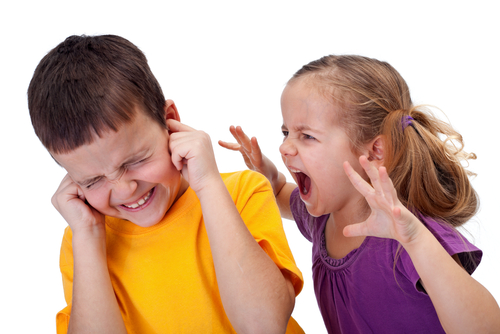
kidsfightingFair warning: I am on a rant. Skip this one is you don’t want to hear me whine.

In the last few days I have seen doctors in the media picked on because they fell asleep (“Doc, there are patients who need to be seen!”), because they were burnt out, and because they didn’t smile, explain things thoroughly, and ask about the patient’s home life while checking for an ear infection. Doctors fought back with comments about their long hours, intense work schedules, and exhaustion.

It didn’t work. The comments just changed to: “Well, fight for better hours!” Or: “Be willing to make less money!” (umm, I did go into pediatrics…) One person was actually so narrow minded and idiotic as to tell us we were harming patients by working too hard, and that it was sheer laziness that kept us from improving our schedules. That we “were keeping our heads buried in the sand” so that we did not see the important issue: that the business of medicine was as important as the practice of medicine. That what we were doing was “not good enough,” and that doctors never fight for anything. How that person knitted all those ideas together in one head is beyond me, and I don’t believe that I, or any other doctor, deserved it.

First, no one was harmed in any of the situations. The sleeping doc got up and went back to work, probably better for the quick power nap. The child whose doc did not smile and ask about their home life nevertheless fit that child into her already full schedule and took excellent care of her. I have in thirty years never harmed a child because I was exhausted. I did once tell a mother that I was too tired to care for her child and would find them another doc, after which I walked back to the office, sat down, passed out and had a seizure. Doctoring is a different sort of job.

Second, doctors have been fighting far longer than I have been one. We fight with insurance companies every day. Through the AAP we fight in the legislature for pediatric issues. We fight for universal vaccination. We fight for neglected kids, for abused kids, for healthy foods in schools…

Last, our heads are about as far out of the sand as they can get, as we care for children whose parents have poured boiling water over them, for teenage girls gang raped at parties, for gay children who are thinking of slashing their wrists…

There are a limited number of hours in the day, and every single time the kids matter more than how overworked we are.

The one thing that I am never willing to compromise is the care of my patients. Jumping from “doctors are overworked and stressed” to “doctors are harming patients because they are overworked and stressed” is a leap. The data actually proves otherwise.

Presuming we can simply work less and everything will be fine is naïve.

One of the biggest problems right now is that there are simply not enough docs, and fewer of them are going into and staying in primary care. Those of us in the trenches cannot do less when there is no one to take up the slack. Legislation can not fix this problem, and the fact that we are judged and condemned at every turn just puts another nail in the coffin of primary care. The doc above fit an extra patient into her day, took care of the acute problem, and was spat upon because she didn’t smile and answer questions that weren’t even asked. If burnout is a concern, then stringing us up for target practice just because we are doing our jobs is a problem.

So here is my fight for the day, because I do not want to be accused again of not fighting enough: please appreciate the 11 or more years we spent in school and worked for free, accumulating debt while you were already earning a paycheck. Please appreciate the fact that when you call at 2AM, we answer. Please appreciate the times we miss important events in our children’s lives because we are helping someone else’s child. Please appreciate the fact that we carry the responsibility inherent in our jobs on our backs every minute of every day.

A simple “Thank-you for fitting my child into your busy day,” will go much further toward keeping doctors in primary care than any change in our work hours or income. We are not the enemy; we became doctors because we wanted to help people. Please let us do our jobs, and don’t snipe at us because we are tired. The fact that we are tired and overworked is not a good enough reason to fault us. We do not deserve it, and we have earned at least that much respect.

Whether or not the insurance company pays that $35.00 is always going to be at the bottom of my priority list, as it should be. The business of medicine will never and can never be as important as helping that little boy in room 2 to breath better.

Your Daughter’s Vagina

marilynThis week my amazing daughter handed my son-in-law a daughter. This brand new person has lots of silky dark hair, deep blue eyes and 2 dimples. She is a 7# 8oz miracle.

In the last few days my son-in-law has heard endless versions of “You’re in deep trouble, man,” “You’ll need a shotgun,” and “The boys will be after her!” My son-in-law is a deep thinker, so he gave it some deep thought and said, “Why?”

Assuming we want our daughters to have joy in life, fulfillment in their chosen work, family, and love: why then do we not want them to have sex? It seems an essential part of the picture.

When we actually consider why we feel this way, it comes down to the unfortunate fact that we equate a woman’s value with her sexual appeal, but devalue women when they actually have sex. No sex? Virginity and a pedestal. Sex with one man? Mother and Madonna. Sex with more? We have a direct line of descent into whoredom, where your daughter can be given a monetary value.

Then we confuse this scale by judging a woman’s value by how sexy she is. I once heard a med student say about the best kid cancer doc I knew, “What else could she do? She’s damned homely.” We want our daughters to be sexy, but not to have sex.

The valuation for men is perhaps equally harsh, but diametrically opposed. Virginity brings snickers and derision. Faithfulness to one women is sometimes thought to be gullible and foolish. Sex with many women is part of the admirable macho stereotype: men have conquests and “sew their wild oats,” admire James Bond, Casanova and Don Juan, and slap each other on the back as they carve notches into their belts or acquire trophy wives.

Math works, and these numbers do not add up.

There are of course other problems with these assumptions: not only are we devaluing our daughters, we are also making life difficult for our sons. We want our boys to have self respect, good long term relationships with their partners and the maturity to hang around to see their children grow up. Herpes, AIDs, and serial shallow relationships devoid of respect will not bring them this future.

So what is the solution?

We need to give our own values serious consideration, and then evenhandedly teach those values to both our sons and our daughters. We cannot tell our boys that it is OK to get a girl drunk so that she will have sex with them, and then tell our daughters that if they drink too much and have sex they are whores. We cannot tell our boys they are not manly if they choose to wait for love, and our girls that they must wait, or they are trash. It does not work to dress our seven year old daughters in spangles and teach them to hip thrust to sexy music, but then insist they remain innocent.

We need a coherent, honorable, human plan. Consider the future you want for your child, give thought to how sex fits into that future, be fair, be stringently honest, and build rules consistent with that future.

Some simple rules might be: we don’t want you to have sex until you are fully mature; we want you to be in a relationship built on love and mutual respect when you do; we want you to be safe and responsible.

Follow your own rules. Start when your babies are brand new, behave honorably, and be consistent throughout their childhoods. “Do as I say, not as I do” has never and will never work, because in the end your children will know you very well indeed.

  • Watch what you say, both to your own partner and about the other people in your life, because words and judgments will worm their way into your child’s mind and later poke holes in his or her self worth.
  • Keep conversation open, so that when they hear something at school or at a friend’s house they know they can ask you about it. They need to be able to come to you when they have questions. Give them knowledge so that they will be able to make good decisions.
  • Monitor what they see on the internet and on TV. Much of what is on screens these days will need explanation.
  • They will probably make mistakes. When they do, it is perfectly all right to discipline them, because they did break your rules (aren’t you glad you made those rules beforehand, and made sure he or she understood them?) Do not, however, add judgment to the mix. Give them time and space to think and consider the consequences of their actions. Allow them the chance to do better next time. Everyone makes mistakes, and it is hard enough to forgive yourself and go on, without the ones you love adding to the weight of regret in your heart.
  • Never throw labels at them, because labels will leach onto their brains forever. They will never forget that their parent, who should love them no matter what, called them trash, or a slut. They might even feel that they have to live up to the label.
  • Sex is a powerful weapon. If handled well it can bring joy, deepen a loving relationship, and create life. A parent’s example provides the model, good or bad, for their child to follow; thoughtless words from that same parent’s mouth can echo in their brains and make them bleed.
  • Society’s views, as seen in your neighborhood or church, and on the screen in everything from commercials to movies to music, have an impact.
  • How we think about sex, our behavior, and the inner judgments of our own actions effect everything from our relationships to our health, our self esteem to our future.

Sex can be a natural part of a fulfilled life, or it can injure your child’s mind, body and soul, up to the point of self-injury, depression, and death. It is important. It is deserving of respect and careful consideration, and an absolutely equal and consistent application of those conclusions to the parenting of both our sons and our daughters.

My son-in-law is brilliant, you know, and he was right.

Bullying, and the Battle for Equality

Hasardous waste-01This week I have been called immoral, evil, ignorant, and bigoted. I was told I care nothing about children (this after almost 30 years as a pediatrician). I was told that I was going to burn in hell. It has been a very odd week.

None of these things sounded much like the me I know and love.

Each time I was simply standing up for what I believed was right, and the “adults” with whom I was conversing were so astonished when I did not simply cave to their obvious superiority that they went straight to name calling, rather than reason.

I could almost feel the thrill they took in shouting their beliefs from their shaky mountain top, refusing to even consider a different viewpoint.

I am a grown up, I can hold to my beliefs and not shed a tear, but oddly… it still hurt.

So how must it feel as a 10 year old, when enormous adults are towering over you, talking at you and not giving you a moment to speak for yourself? How, when the popular kid in class, the one with all the social power, calls you a dork and shoves you into a wall? How, when you know you are different and different is immoral, ignorant, and hell bound, if only because it does not sanctify their views and might poke a hole in the fragile balloon of their security?

We are fighting in the streets now, for equality not based on religious views, skin color, sex, or sexual preference. I wonder if the people demanding they be respected even though they are Muslim, or Black, see that their fight is the same as those that demand equality even though they are gay. Do the women ( and the Pope! ) fighting for equal pay see their battle as a part of the never-ending fight for all humans to respect each other as equals?

Can we ever get to a point where we realize that no one wins, as long as someone else looses?

That someone else’s success does not subtract from or in any way prevent ours?

As usual with social change, evolution must start with the children. Children are pure potential; their minds are open, interested, and willing to love. A baby looks at any face with wide open eyes and an ear-to-ear smile, not caring what color or sex that face is, what church they go to, or whom they love. We as their parents and teachers sometimes ruin that. We damage their beautiful, open minds and darken their young hearts, forcing our reality upon them. We teach them to smirk and squint, to judge and condemn.

If we want our children to be happy and fulfilled, to be able to think and create, and to be open to the opportunities the world puts in their paths, we must examine our own thoughts, pack the ugly ones up and cart them off. When we catch ourselves starting to say something unkind, we must stop. When we find ourselves treating someone as if they are less, we need to realize that this gives permission for another person to treat our child as if he or she is less. If our children see us treat every person with respect, they will know they also are deserving of respect, simply because everyone is.

Take the positives from our separate cultures and celebrate them, but allow that other cultures have positives too.

Be proud of our accomplishments, but also find it in our hearts to congratulate others on theirs.

Step up when someone is cruel.

Understand that we are not fighting for Gay Rights or Black Justice or Women’s Rights, but for Equality. We cannot hold onto our own rights if we do not grant everyone else theirs. It makes no sense to insist that a person respect our beliefs and then turn around and denigrate theirs. It is immoral to campaign for Black justice then go home and vomit up ugliness about gays or women; to fight for equal pay for women then turn around and gossip about the mixed race marriage down the block.

Until we can give respect, we ourselves do not deserve it, and our children will follow in our path.

When we stand up to our own bullies (especially the ones squatting in our own brains), we teach our children how to stand up to theirs, and they will be able to grasp and hold the life we wish for them.

Perhaps now is a good time to remember the words of Martin Niemöller (1892–1984):

First they came for the Socialists, and I did not speak out—

     Because I was not a Socialist.

Then they came for the Trade Unionists, and I did not speak out—

     Because I was not a Trade Unionist.

Then they came for the Jews, and I did not speak out—

     Because I was not a Jew.

Then they came for me—and there was no one left to speak for me.


Top Ten Summer Activities to Abolish Boredom

2013-09-06 13.00.12A short gap-toothed person looked at me today, smiled, and said, “…only fourteen more days of school!”

Summer is on its way!

No need to run screaming to hide in a closet. Below are my top ten ideas to fill those sunny days with things that will engage their brains and bodies:

  1. Exercise. They have been cooped up all winter. Throw them outside with a ball, bike or roller skates.
  2. Be creative. All those regimented classes, begone! Break out the finger-paints, colored pencils, and charcoal and let them draw anything they want. Find some sticks and build a fort. Act out a drama. The world is their canvas! I mean that literally: they can draw on bark, rocks, the sidewalk…
  3. Listen to music, and make your own. Break out the kitchen utensils if you don’t have instruments. Write your own songs and play them on pots and pans. This is a two-fer, because you will also build reading skills as you play with the words. Listen to music from other cultures and styles and you will painlessly add on lessons in history and anthroology.
  4. Explore. Hit the museum, the library, and the internet, where the world awaits. If nothing comes to mind, ask them what they find interesting and start with that.
  5. Volunteer. Not only is a great way to spend their time, it also fosters an appreciation for what they already have.
  6. Do chores. Chores bind a family together, allow for pride of accomplishment, teach responsibility, and provide a source of money so you can…
  7. Teach financial lessons. What better way than with summer money? Decide before they have it in their grubby paws what they want to save for and how much of their earnings will go into savings. Then watch the pile grow. This works even better if you can match their savings for a little extra inspiration.
  8. Learn a new skill. Make sure it is something they want to learn, of course. Summer is the traditional time for classes, camps, and music lessons. Have a “we’re only speaking spanish” hour, learn to swim, make a tile mosaic – the options are endless.
  9. Introduce yourselves to strangers, especially those who look different than your usual friends. Compliment what they are wearing, ask about what they are doing – be interested and start a conversation. Seeing the world from another person’s point of view can up possibilities for your child.
  10. Get a modern sort of pen pal. These days it’s as easy as getting a twitter account, search #WhatYourChildFindsInteresting and see who pops up. Your child might end up with friends from all over the world. Umm, monitor that, OK?

Keep them moving, reading, and doing, so they won’t turn into sloths.

Have they ever seen a sloth? Isn’t it amazing how slowly they move? Let’s go find a video on Google! Or hit the library! Or draw a picture of one, and make up a story! Or do the sloth dance!

School will start back in no time.