Just a Cold? Or is it the Flu?

sick kid-01Any given year, between 5% and 20% of the US population will catch the flu.

Influenza, or the flu, is a virus spread in tiny drops of fluid that an infected person has sneezed or coughed out. Your children can inhale these, or rub droplets contacted from surfaces–or other people–onto their eyes, nose, or mouth. After a 1-4 day incubation period, your child becomes sick.

The initial symptoms of flu include a sudden, high spiking fever, chills, headache, tiredness, and body aches. From there it progresses through sore throat and congestion. Symptoms generally last about ten days, with the worst occurring during the first three days.

Children can be sick for longer than adults, and have more complications.

Complications of the flu commonly include things like pneumonia, ear infections, and sinusitis. Less common complications include fever seizures, encephalopathy, inflammation of the heart, and death.

Serious complications are more common in children with underlying health conditions, but even healthy children can become severely ill. During the 2014-2015 season, more than 145 children died, and more than 200,000 kids were hospitalized with flu complications. Generally about 43% of hospitalized kids have no predisposing health problems.

Children at the highest risk are those with underlying conditions like asthma, a compromised immune system (cancer, HIV/AIDS…), or with chronic diseases (diabetes, seizures…) Also at risk are babies under six months of age, who are not yet old enough to get the vaccine and whose immune systems are not yet adult sized.

We try to make sure high risk kids get their vaccines if they can, but we rely on other people to also get their vaccines to “cocoon” these kids so that they are not exposed. If parents, chid care providers, and the other kids in daycare get their flu shots, then chances are that the cute little baby with heart disease will not catch the flu.

Vaccines rule. Preventing disease is always better and safer than trying to treat it once a child is sick.

Flu vaccines come in two types–shot and inhaled mist. The shot is a dead virus, the inhaled mist is a live attenuated (very weak) virus. Neither can give you the flu or make your child autistic. Since we give the vaccine in the midst of cold and flu season, some people are bound to become ill in the weeks after they get it. It is easy to blame the vaccine. The shot can make your arm red and sore; the mist, since it is live, can give you a mild stuffy nose and a low grade fever. So much better than what the actual flu can do!

Last, what should you do if your child does catch the flu? If he or she has any underlying health conditions or is under two years old, call your doc. We have antiviral meds that, while they taste horrible and are not completely effective, do help.

Then, just like when they have a cold, make them rest, push any sort of fluid they will drink, and treat the symptoms. Ibuprofen will generally work better for the body aches and headaches than acetaminophen. Salt water drops or sprays work for stuffy noses, and for kids over four, cold and cough medicines will help them feel better.

Keep them home, because they are contagious. Adults are contagious for about 5-7 days; kids can be contagious for more than 10 days. Both can be contagious about a day before they have any signs of illness.

Call your doc if your child has any breathing problems, lethargy, fever that persists for more than three days, or isn’t starting to get better after the first few days. Or just if you want to. That’s what we’re here for.


How to Survive and Have a Joyous Holiday

Cute Kid Girl In Glasses Thinking About Gift On Christmas Holida

My daughter the anthropologist tells me that celebrations solidify relationships between people within a community, give them hope for the future, and serve as rights of passage.

With the holidays approaching, give thought to what you want this special season to mean to your children throughout their lives.

Keep that firmly in mind when you enter into the fray.

Want them to be involved in your community with its rich heritage and history? Emphasize that. Tell stories, act out events and celebrate your history. Help out people who are less fortunate.

Want holidays to strengthen family bonds? Put family first. Limit the decorating and shopping and work events, and hang out at home. Make gifts for each other, bake cookies and play games.

If you want holidays to be about joy, be joyful. Foster realistic expectations, appreciation for what they have and genuine values. Develop traditions that are more about time together as a family and less about how much stuff they get. The memories they keep forever will be the little things: sharing a bowl of popcorn while watching an old movie; reading a book while Mom or Dad runs fingers through their hair. Few people remember what they received for Christmas last year. They do remember that walk on Christmas Eve admiring the sparkling lights, tasting cookies straight out of the oven, and the look on Grandpa’s face when he got that homemade penholder.

Gifts

It’s tempting to get your children all the things they want for the holiday just to see them smile, but where do you go from there? Maniacal happiness is not joy. It cannot be sustained over time. Add to that that you have created unrealistic expectations for all the other holidays in their future. And the storage needs!

Restrain yourself. If holidays are about family time, board games, and baking cookies it is possible for holidays later in life to be happy. If holidays are about how much money was spent and how many new toys they received, how can real life ever work out? Bigger and better toys every year? That was not the goal.

If you can afford it, get them one or two of the things on their lists. Make them the ones they can create with, the ones that make them use their brains and bodies and talent. Add on some little things that are fun to open. Let little ones play with the boxes and bubble wrap. Then focus the day on family and love.

The Insanity

Don’t let holidays overwhelm you. There are so many expectations that no one can possibly meet them all and have any joy left. There are special foods that need to be prepared, special clothes that need to be bought, decorations, gifts, traditions to be followed, parties, travel, family… eeek! Weed out the excess so there is room left for joy, relaxation and rejoicing in whatever you were celebrating.

Before you decide to spend money on gifts or travel, be realistic about what you can afford. What did you get for your last birthday? Don’t remember? No one does. What people do remember is the conversation, the hugs and the warmth. Those are free. Take dollars out of the experience as much as possible and you won’t end up with a credit card bill for a present that was discarded six months ago. Don’t try to keep up with the people who have that bill and you won’t be laying awake at night and fighting with your spouse instead of relaxing snuggled up with hot chocolate.

Tune down the stress. Not spending more than you can afford will eliminate a huge amount of stress. Next, stop worrying about what other people think; they’re too busy worrying about what you think to care anyway. Keep to routines as much as possible. Sit down for meals; take some time to focus on each other. Step back from the hysteria and think about whether your progeny will actually play with that new doll or just stuff it in a corner, and whether you really need to travel or attend all the parties. Take some quiet time and relax. The world will not collapse if you skip a party or miss the line for the “it” gift. It will collapse if your child is so exhausted and stressed that he or she has a melt down.

                                                                       Health

Keep healthy. The week after a holiday is always busy at my office. I make lots of money from airplanes crowded with sick people and stores packed with germy carts. Get enough rest, and hydrate. Use hand sanitizer. Eat as healthfully as possible–avoid fast foods, throw in some fruits and vegies. Hide the caffeine and limit alcohol. Get a flu shot. Nothing can destroy a holiday quicker than a trip to the ER.

Avoid injuries. Most holiday injuries have nothing to do with the particular holiday, but everything to do with people being so busy that they are not as watchful as usual. Sports are more dangerous when we want to impress cousins. Teenagers tend to get more reckless during a celebration, and young children sneak away quickly. Most holiday injuries are from everyday activities and household objects made dangerous by the holiday craziness.

Chokings and poisonings are popular. The one I see most is an overdose on Grandma’s meds. At Grandma’s home they are left on countertops; at your home they are in her purse. A left over drink is a common way to poison children. A little alcohol can drop a child’s blood sugar and throw him or her into a coma.

Toddlers will put anything in their mouths. Unfortunately this means that everybody needs to pick up their stuff. Items over 1¼ inch in diameter are generally safe. Smaller items than that can go straight into their gut or lung. The most dangerous items to swallow are batteries and magnets; the most dangerous to choke on are grape sized (older children’s toys, hard candy) or stretchy (balloons, plastic bags, marshmallows). Clean up!

Holidays also provide a banquet of things to irritate children’s allergies. Live trees indoors, foods, cigarette smoke, wood fires and other people’s homes and pets come to mind. Avoid them if your child has allergies.

Fires and electrical injuries are especially common during holidays. Decorations can be flammable, old Christmas trees will be dry, and space heaters, candles and fires are commonly nearby. Frayed and loose wires easily start fires. Keep your eyes open for dangers.

Use your common sense during celebrations. If it doesn’t seem safe, don’t let people pressure you into it. Feel free to let watching your kids take precedence over seeing Uncle Joe’s trophy or Aunt Mary’s vacation photos. “He’ll be fine” doesn’t make him fine. Keep an eye on him, or her.

Feel free to be rude and head for home when the kids get tired, if a situation feels out of control, or if your child is being exposed to something you aren’t happy with. Use the munchkin’s youth or fatigue as the excuse for you to head home, relax and read a bedtime story.

Remember that the point of celebrations is to solidify relationships and give hope for the future. Get there by focusing on your history, rejoicing in your present and not sabotaging your future. Don’t go crazy with gifts: they don’t teach your children anything you want them to learn and the financial stress will eat away at that joy and hope you were dreaming of. Pick fewer things to do, and do them together. Be safe and stay healthy.

The Rashes of Summer

skateboarder-01When the days warm up, pediatric offices see a lot of summer skin problems. Kids aren’t often ill during the summer, but they do get sunburns, bites, jellyfish stings, and rashes.

Sunburn

No one thinks about sunscreen on that first glorious sunshiny day, so sunburns are usually our first evidence that summer is here. Remember to use sunscreen, of course, and don’t forget to reapply it every hour.

If your child does burn, give ibuprofen immediately – it helps with the inflammation and can actually reduce the depth of injury. Use aloe generously: it lessens the pain, moisturizes the skin, and helps heal the damage. If the burn is bad, call your doctor. Prescription steroids and burn creams will help.

Bug Bites

Bug bites are also very popular in the summer, from mosquitos, fire ants, yellow flies, and fleas. Insects inject toxins into children’s skin when they bite; how much a particular child reacts depends on how sensitive he or she is.

Cover up little arms and legs when you can, especially if you are going to be outdoors around twilight. There are excellent clothing treatments available that will keep bugs away and last through several washings, protecting your child indirectly.

If your child is older than 2 months, use insect repellant with DEET on exposed skin, even though it’s nasty. It works and it’s a whole lot better than getting insect borne encephalitis. 10% DEET lasts about 2 hours; 30% lasts about 5 hours. Don’t use anything stronger than 30% on a child. Don’t reapply in the same day, and do wash it off when you go back inside.

Creams with pramoxine or calamine will help with itchiness. Cortisone creams help itch and also swelling and redness, but can only be used a couple of times a day. If there are lots of bites, an antihistamine by mouth will also help with swelling and itch.

Never use antihistamine creams (benadryl is the most common), because children can react to the topical antihistamine and actually get worse instead of better.

Bee stings

Bee and wasp stings are treated much the same way, after making sure to remove the stinger and apply a cool compress (and yes, Grandma’s idea about the wet mud does help).

Poison ivy, oak, and sumac

If your child is a forest dweller, he or she will at some point get poison ivy, oak or sumac. These plants produce a poison called urushiol in their sap and leaves, causing redness, itch and blistering.

The severity of this reaction also varies depending on your munchkin’s sensitivity. My brother’s eyes would swell shut if someone burnt it a block away; I could pull it up and throw it away with no reaction.

Wash both the child and his or her clothes as soon as possible. No lounging on the furniture! The toxin can stay on surfaces for months. Once the toxin is either absorbed into the skin or washed off, the rash is no longer contagious. Blister fluid does not contain urushiol.

The rash will develop first where the most toxin was deposited, in streaks and patches. It can spread for a week or so to the areas where less toxin landed, then take another two weeks to clear.

If the rash is mild, you can treat it at home with cool compresses, baking soda or oatmeal baths, the same creams you used for those pesky bug bites, and that antihistamine by mouth. See? Grandma was right again.

If the rash is not mild, or your child has it on their face, around their eyes, or on their genitals (and how did that plant get there?) call your doc. We can put them on steroids, which help enormously.

Jellyfish stings

If you harbor a small mermaid or man in your home, she or he may get stung by a jellyfish. There are some extremely dangerous jellyfish, so if your child has any trouble breathing, is weak or nauseated, has pain away from the sting, or has sweating, cramping, or diarrhea, call your doctor immediately.

If it is a simple sting, first remove the barbs by scraping it with a towel or a credit card. Don’t rub. Put suntan oil or salt water and hot sand on the sting; heat will deactivate the poison.

Do NOT wash the sting with fresh water – it will make the nematocysts (poison sacks) explode and release more poison into the skin. Your child will scream and not love you anymore. Put only fluids with lots of particles in them on the sting: sting-away, vinegar or steak sauce, for example. Ibuprofen will also help the pain and inflammation.

Allergic rashes

Last, we see allergic reactions to everything from sunscreen to henna tattoos to jewelry to pool chemicals from fun in the sun. Kids with sensitive skin or eczema will rash out in the summer from the heat, humidity and sweat.

By now you can probably sense a common theme (or you could just ask Grandma): give your itchy red bumpy child a cool bath with mild soap. Moisturize and apply topical steroids or give antihistamines by mouth.

If any of this doesn’t work, call me! It gets lonely in a pediatric office during the summer when all the kids are healthy.

Plant It, and Kids Will Eat!

girl with plantIn Anna Karenina, Leo Tolstoy wrote “Spring is the time of plans and projects.” Plans and projects are those things that keep children out of trouble, or at least involve them in safer, more manageable trouble.

What could be better than digging in the dirt and playing in a spray of water on a hot summer day? What more creative than an adventure in the wilds of your back yard? Add in sunshine, fresh air and exercise, and planting a garden becomes the springtime activity of choice.

One of the best ways to coax kids into eating what is good for them is to involve them in its preparation. They are far more likely to eat the lunch they prepared with their own two hands than one you slaved over. If they help you peel and cut up carrots for dinner they will try them, and brag about their contribution while chewing.

Extend this a bit and you reap the miracle of children eating their vegetables because they grew them in their very own garden. They planted the seeds, watched over them, watered them, and cared for them. They will proudly eat the fruits of their labor and proclaim their tastiness.

Children need a variety of vitamins and minerals in order to function and grow, and the best place to get those nutrients, along with carbs for energy and fiber for bowel function, is in fruits and vegetables. Some, like beans and peas, are even excellent sources of protein. Many of them can be grown in small plots or in containers on a porch.

Carrots can be grown easily from seeds bought in your local garden store, and are very high in Vitamin A. Vitamin A helps with eyesight, especially night vision, which is why your mom always told you to eat lots. Watermelon, peas, peppers, beans, and tomatoes also have bunches of Vitamin A.

Tomatoes, peppers, and beans are high in B complex vitamins. B vitamins like riboflavin, niacin, thiamine and folic acid are tiny machines that allow your body to function. They help with everything from making blood cells, to generating energy from carbohydrates, to scavenging free radicles and protecting you from cancer.

Strawberries, raspberries, and blackberries are high in Vitamin C, which is necessary for collagen synthesis and wound healing and is an effective antioxidant. Without Vitamin C, people get scurvy.

Minerals are also easily come by on the plant side of your plate.

Calcium to build strong bones can be found in beans. Potatoes, beans, corn, and mushrooms are high in iron, which helps carry oxygen around your body. Potassium, necessary for muscle contraction and to maintain your heart rhythm, is present in potatoes, berries, peas, beans, and peppers. Essential minerals like magnesium, phosphorus, copper, and zinc are all available in fruits and vegatables.

I’ve never seen a child turn down a pea fresh from the pod, or a strawberry plucked from the plant. Find a plant catalogue, pour through it with your child, pay attention to what will grow in your area and how much room the plants need to grow, and choose. Consider what you have room for: will these be container plants on the porch, or can you spare a patch of yard? Do you have space for a tree, or are we looking at a mushroom kit in the closet?

Some of my favorite kid friendly plants are peas, beans, peppers, tomatoes, and the ever popular carrot. Melons, pumpkins, and cucumbers are great if you have a little more room. Berries come in all sizes, from tiny strawberry plants fit for containers with pockets down the side, to raspberry vines best grown on trellises, to fat thorny blackberry bushes. Tires can be stacked up and filled with dirt in a tower as potato plants grow, then harvested by taking off one tire at a time.

Growing a few plants allows you to spend time with your children, get some exercise, and build some vitamin D of your own from all that sunshine. Have a conversation about science and nutrition while you are digging in the dirt. Money can be earned and financial lessons taught by naming the watering and weeding of those plants “chores.” Other lessons can be taught without any conversation: responsibility for life, the fruitfulness of hard work, and pride of accomplishment. Don’t miss this opportunity for spring plans and projects!

Friday Features Linky Party

Top Ten Rules for How to Raise a Child You Will Like as a Grown-up

storkWe spent last Saturday at BabyPalooza, handing out T-shirts and talking about the importance of reading. There were many lovely, very round, exhausted women, and many questions. Apparently, babies still don’t come with an instruction manual, so here goes: not too long, so you can read it in the scant minutes you have when you are not so exhausted that your eyes won’t focus.

How to Raise a Kid you will like as a Grown-up:

10. Require chores. Equal participation is fundamental to receive the reward of being in a family. The pride your child feels serving the carrots he helped peel is well worth the time it takes to get him to do it. Every member of the family contributes, to the best of their ability. Family bonds and trust will form over the raking of leaves.

9.   Make rules, and enforce them consistently. Rules keep kids safe, teach them right from wrong, and civilize them. Make sure your child understands the rules, and every single adult in his life needs to enforce every rule each and every time, the first time it is broken. No “warnings,” because you made sure ahead of time that they understood the rule. Decide what the consequence will be for a broken rule long before you need to do it; make the punishment appropriate for the crime (timeout? loss of the toy? paying for the damage?).

8.   Feed your munchkin a healthy diet: whole foods that look like they either grew out of the ground or walked on it (I know, but not everyone is a vegetarian). Teach your children to eat when they’re hungry, and stop eating when they’re not hungry anymore. Aim for about half fruits and vegies and about half protein (meat, eggs, cheese, beans or nuts) and starch (potatoes, bread, pasta, corn). Everything else will be easier if they are well nourished.

7.   Keep a regular sleep schedule – both enough hours and at about the same time every day – as much as possible. Kids who are short on sleep are irritable, tired and have no attention span. Everything else will be easier if he or she has had enough sleep.

6.   Keep them safe when you can. There are lots of surprises out there to keep life interesting; there is no need to risk the preventable injuries. Use those seat belts and bike helmets, lock up the household poisons, guns and Grandma’s meds, and get those vaccines.

5.   Teach financial responsibility. Spend less than you make, stay out of debt, and save for the future. Do it where they can see you and explain what you are doing. Go through your budget with them in an age appropriate way, and feel free to say, “We can’t afford that.” Give them an allowance for those chores and require that they save some.

4.   Don’t wear blinders. Your primary job is to protect this child, even if it is sometimes from themselves. Children will lie, take things that are not theirs, and sneak out at night when they are 14. You need to catch them so that they learn that it doesn’t work. If they get caught stealing at 7, they have an embarrassing memory of having to go back and pay for what they took. If they get caught at 25, they land in jail and loose their job, partner, and children.

3.   Love without condition the child you have, not the one you dreamed they would be. Love is not a prize you can give when your child is good, and take away when they do not live up to your expectations. Without the absolute faith that no matter what happens or what horrible thing they do you will still love them, the foundation on which they build their life will by shaky and unstable. You chose to have them; unconditional love was part of the deal.

2.   Nurture your child’s unique talents and abilities; don’t try to fit the ones you want them to have on their unsuitable frame. This little person is an original – why would you want to shove him or her into a standard form? And what irreplaceable gifts would be forever lost because you did not value them? Respect the exceptional person that he or she is.

1.   Inspire them with your own life. Be what you hope for them. Find work you love, maintain a healthy relationship with your partner, eat a healthy diet, and exercise. Learn something new every day. Never lie. Give respect, and demand it for yourself. Keep an open mind, explore the world and grab opportunities when they happen by. Make your children proud.

Cutting: How to Help Our Children

razorblade-01Everything old is new again. A few decades ago, kids who wanted to hurt themselves used lit cigarettes, pulled out their hair, punched their fists through glass doors, or beat their heads against a wall. Nowadays, the most common method of self-injury is cutting. Parents don’t understand it; sometimes they don’t even see it. I have had parents tell me it didn’t make sense, that their children were only doing it to get attention, or that they were just doing it because it’s a fad. Parents are afraid and confused, and they react with anger and denial. As always in parenting, knowledge is essential. If we want to help our children, we need to start with understanding them.

What is Cutting? 

Cutting is one aspect of self-injury. “Cutters” slice shallowly through their skin with a sharp object, like a razor. They generally cut in areas that can be hidden and are easily reached, most often their inner forearms. We also see it on chests, abdomens, and the inside of legs. They usually slice a series of 2 or 3 inch parallel lines into their skin in the chosen area.

People who self-injure also sometimes burn themselves, punch themselves, bang their heads, break their bones, or carve designs into their skin. They will pull out their hair, bite themselves, or pick at wounds so that they don’t heal. They look in mirrors and  yell obscenities at themselves to make sure they know that they are not worth the air that they breathe. We absolutely have to take this seriously.

Why do they cut?

It is a way of focusing and externalizing emotional pain. Physical pain is much easier to handle than the anger, frustration and depression they carry inside. Self injury is usually impulsive, prompted by an event that causes emotional devastation. Afterwards, they feel relief: they made a decision, took action and punished themselves for the crime of existing. There is a sort of pride in the fact that they were strong enough to see the punishment through. They are balanced on an edge: if they chose, they could cut a little deeper and not have to exist any more. They transiently feel in control, at least of their own bodies; the power is theirs. Later, they are overtaken with shame and guilt. The belief that they are worthless is reinforced, because what kind of an idiot would do this to themselves? The cycle starts over.

Who cuts?

Girls self-injure more frequently than boys; teens more often than young adults. Peer pressure has a huge effect: supportive friends can protect your child from him or herself, and allow a healthier outlet for the pain. Friends who also self-injure will pull them in the wrong direction. If a child is alone and lonely, the anger and self hatred can circle in their heads and build.

Kids are also more likely to break out razors if they have been neglected or abused, and after they experience a trauma; conflicts at home or in school can intensify the behavior. Self-injury is also more common in kids who have questions about their identity or sexuality. It is more common when kids are under the influence of alcohol or drugs. Last, it is more common in kids with eating disorders, depression, and psychiatric disorders.

As these children get older, their methods of self-injury change. Young adults develop eating disorders, become sexually promiscuous, drink to excess, take drugs, and put themselves in harm’s way. They might walk in front of a moving car to see if the car can stop in time, irritate people to start fights, or engage in damaging relationships. It is the motive that matters, not the method.

How do we know?

The first step in helping these kids is to notice that they are doing it, and to care. A child who self-injures will have scars from prior cuts, or burns. They will have fresh injuries: broken bones, bruises, cuts, or burns, with poor explanations. They will cover the area of their bodies with these injuries; usually children are quick to show their injuries and tell you the story of how it happened. If you never see your child’s forearms, look. These kids will keep sharp objects handy. In the same way a lighter should make you wonder if your child smokes, a razor blade should inspire you to start a conversation about cutting.

A child who cuts tends to be a loner who has problems maintaining relationships. They tend to have emotional labiality, moving from happy to angry in a split second. There are frequently other behavioral issues, such as trouble in school or with the police. They do sometimes tell their parents, but are not always heard. If your child tells you that there is no point, nothing will ever work out, or they wish they were dead, listen. It is human nature to try to communicate, but we do not always do it in a way that others understand. Self injury is not only a symptom and self therapy. It is also communication, if you will only look, see, and care.

How do we help?

What do we do about it, after we stop crying and shaking?

  • We treat it seriously. Open a conversation, and listen. It is a small step from “I deserve to bleed” to “I deserve to die.” Bring your child to the doctor, even if he or she doesn’t want to, even if you promised you wouldn’t.  He or she will need to see a therapist.
  • Provide emotional support: accept your child exactly as he or she is, love them, and let them know that you will love them no matter what. Don’t yell, punish, threaten, or judge. Issue no ultimatums.
  • Lower their daily stress level. Sometimes this is as easy as letting them know that they do not have to be perfect; sometimes cutting back their work load of academics, job, and extracurricular activities will help. Keep their home stable and safe, and be a good example.
  • Work to repair their self esteem. Part of this will be work with a psychologist. Encourage them to find friends with like interests (perhaps sign them up for classes or activities that they find interesting?), and engage them in activities at which they excel. Nothing repairs self esteem like achievement. Do things together that they enjoy.
  • Their therapist should teach them to distract themselves from circular negative thinking. This is a learned skill; it is much easier to repeat the same old ugly “truths” over and over in your head, until it seems impossible to change.
  • That psychiatrist should also work on teaching them to stand up for themselves. Girls especially are not good at saying “no.” Self respect is essential to prevent self-injury.
  • Monitor the media they interact with, because there are sites that glorify and reinforce self injury. Also monitor them for signs that they are relapsing.
  • Take an interest in who their friends are, and how those relationships are going. Are they able to maintain a friendship, or do they run through friends frequently?

Self injury is astoundingly common, very real, and serious. We need to see our children, listen to them, and believe them. The history in their heads is the true one to them, and the one that matters. Denying it’s validity only reinforces their belief that they themselves are stupid, or wrong, or worthless. Empower them to deal with their truth. Support them with your love, acceptance, and respect. Give them a better measuring stick with which to judge themselves: one that puts their own personality, talents and abilities at the top.

Childhood Obesity: How do we have an impact?

broccoli-01So, last week’s blog was about the whys behind the increase in childhood obesity: why it has gained such a firm hold in our society, and why we need to care. This week is about how we can promote change, going into the future. What works? What is the plan?

Our objective is clear: we want healthy children. To achieve this when our children are overweight, we need to decrease the calories they take in, and increase their activity: get rid of junk foods and get them moving. If children take in more calories than they work off, the excess is stored as fat. Math works.

We also need to get our children to eat only nutritious foods, except on special occasions. If kids eat junk, which does not have in it the nutrients they need, they have to overeat total calories to get those nutrients. Bad idea. So how do we make this happen?

We start by using the power of positive reinforcement. It is a proven fact that rewards work better than punishments to change people’s behavior. It is human nature to repeat actions that make us feel happy and appreciated. Hence the popularity of slobbery dogs. Even better: how long would you go to work if you did not get a paycheck? Do you find that you do better work when you feel appreciated? If we are going to change habits, we need to focus on the positive and let go of the negative. We need to make eating healthful foods and being active more rewarding than stopping for fast food and eating chips. This is not hard, because there are a multitude of easy rewards appropriate for eating your broccoli: from smiles and hugs to feeling good and saving money. How could a toy in a kid’s meal possibly compare?

Never try to place blame: it evades personal responsibility and it solves nothing. Similarly, not only is it unkind to judge and condemn people for being overweight, it is also ineffective as a means for change: it doesn’t work. Stop doing it, and intervene when someone else does it.

Do set up the playing field in your favor. Only buy healthful foods. It is much harder to eat a doughnut when you get home from school if no one bought doughnuts. It is difficult to buy a soda at school if there is no vending machine. It is immeasurably easier to win a battle that is never engaged.

Consistency and routine are your best weapons to take into the fray. If you sometimes stop for fast food on the way home from school, simply getting into the car can elicit demands. The trigger is already in place to remind your children of their habit.  Alternatively, if you never stop for fast food on the way home, why would it even come up in the conversation? If the routine is “never”, the response to a request for a snack cake is a head shake and a laugh; if the routine is “sometimes”, the response to a no is whining, each and every time. Children’s minds settle comfortably into routine and habit, so a habit of only eating healthful food will save you a lifetime of arguments.

Rethink what and how you feed your children at the most basic level, to redesign those routines. Start with awareness of what your children need every day, then plan meals that will get them there. Don’t buy the foods that do not have the nutrients they need. Get rid of preconceptions based on family history, media, and friends (contrary to popular belief, there is no daily requirement for potato chips, and “only one soda a day” is one too many). Evaluate your family home and everyday habits. When and where are we keeping food and eating it? What needs to change? Does your child walk by a pantry filled with snack cakes and chips as he gets home from school? What might happen if we throw those out and place a bowl of fruit in his path? What if the only cold drinks in the refrigerator were water and low fat milk? What if we required our family to gather at the dinner table and converse? Change the routines, because when we change a habit the effect of that small change is magnified by the multitude of days in which that habit would have persisted.

On the other side of the equation is the burning off of those calories. The target for children’s activity is a minimum of 45 – 60 minutes of vigorous exercise as many days as possible. This needs to include all kids, not just athletes, because the purpose is to get fit, not to win fame. By no means should this be their only activity: as a general rule, if they are awake and not tied to a desk or reading, they should me moving. The first step to getting them moving is to limit non-educational screen time to maximum of 2 hours per day. Bore them into activity. They can choose the type, as long as they are moving. The second step is to get up and do it with them.

Make a plan and a commitment, and then act:

  • First, purge the pantry of all junk food (no “We paid good money for that food!”) Throw it away.
  • Make a meal plan of nutritious foods for the week, considering your schedule, and write out a grocery list. Only buy what is on the list. Read labels (watch total calories, not just fat or sugar). Emphasize fresh, seasonal foods.
  • Aim for fully half of what your family eats to be fruits and vegetables.
  • Make less food, and serve smaller portions. Hungry children can have seconds and thirds on the broccoli, not the potatoes, because you didn’t make more potatoes.
  • Teach your kids to eat slowly, putting their fork down between bites to enjoy conversation with the rest of the family. Let their brains catch up with their stomachs.
  • Eat more high fiber foods (they are more filling), less meat and starch.
  • Eat at home, as a family. Restaurant portion sizes are too large, and they use too much salt, fat, and sugar.
  • Teach your children to eat when they are hungry rather than for reward, comfort, or boredom; also to stop eating when they are no longer hungry. Be a good example.
  • Make it a rule that treats are only for special occasions.
  • Do not expect a quick fix; results come over the long term.
  • Last, realize that kids have one big advantage: if they just keep their weight the same, they can grow into it. Don’t make weight loss the goal. The goal is a long-term habit of eating a nutritious diet.

Ignore the peanut gallery, because you have to persevere: their lives depend upon it. It is the responsibility of the parent, caregiver, coach, and school to offer the children in their care nutritious foods and to be a good example. Do not feel guilty because they are temporarily unhappy! You love them; therefor you will not give them foods that cause all those awful health problems. You will do this for ever and ever, because when the grown-ups are consistent, the kids give up.

Recruit your friends and family, because “it takes a village” (sorry, couldn’t resist). This might in the end mean avoiding people – family and friends – who undermine your efforts. Grandma can see her baby when she learns to behave.

Community support is absolutely necessary if we want to turn this around. Schools must consider what food is available for breakfasts, lunches, and in vending machines. The adults in children’s lives need to be good examples: from parents to teachers to Hollywood actors and sports figures. Education needs to be readily available for both children and their grown-ups. Adult education resources are needed for parents, childcare workers and community leaders to learn about nutrition, the basics of meal planning, grocery shopping, and cooking.

If we can change the community of thought about food and exercise, kids will not be alone in developing new healthy habits. Their parents will also become more fit, as they role model healthy behavior. Our society’s medical costs will shrink, along with a mountain of heartbreak, family stress and financial woes.

When people have knowledge about nutrition and are in the habit of eating healthy food when they are actually hungry, they will pass this knowledge and these habits down to their children, and their children’s children, and healthy habits will persist. They can change the future of their family.

We can do this, and it is absolutely worth doing.

Childhood Obesity: Why It Happens

So. My goal for this blog was to be both accurate and comprehensive; broccoli-01the result was that it was very long. We need to have a thorough understanding of both the why’s and the how to’s if we want to make a difference in childhood obesity. This week covers just the first half, so you won’t nod off before the end. Today is all about the what and why; next week is about how we fix the problem.

Obesity is defined as weight more than 20% above a person’s ideal weight for their height. Morbid obesity is weight in enough excess that it affects a person’s health, or “causes morbidity.” In 2010, more than 1 in 3 children were overweight or obese. At a time in their lives when children should be running free and unencumbered, they are instead carrying the baggage of a society that has lost its way. Although issues like hypothyroidism and low levels of Leptin (a hormone that makes us feel full) can cause weight gain, medical causes account for less than 1% of the overweight kids.

Obesity has more than doubled in children and tripled in adolescents in the past 30 years. Rather than 5 or 7% of children being morbidly obese, as they were in the 80’s, now 18% are. Three quarters of these obese teens will become obese adults.

Why do we care? There are, of course, the physical health risks, including:

  • heart disease
  • stroke
  • high blood pressure
  • type 2 diabetes
  • degenerative arthritis
  • chronic back and knee pain
  • slipped capitofemoral epiphysis (a crippling hip injury)
  • ankle fractures
  • several forms of cancer (colon, thyroid, prostate, and breast, among others)
  • pseudogynecomastia (breast development in boys)
  • gallstones
  • obstructive sleep apnea
  • pancreatitis
  • skin infections
  • deficiencies of zinc, calcium, iron, magnesium, and folic acid from a junk food diet

There are also serious mental health risks, including low self-esteem, body image issues by as young as 5 years, anxiety, and depression. Overweight children are frequently the victims of exclusionism, taunts, and ridicule. Bullying overweight people is one of the last socially acceptable forms of bigotry.

Last, there are lifestyle limitations. For overweight children activity is harder, and the vicious cycle of a sedentary lifestyle causing weight gain, which causes a lower activity level, which causes weight gain, persists. Fueling this also is the fact that obese children will be offered fewer opportunities: they are rarely the first picked for the team, or the cool new job. Even their dating choices will be affected, partly by their appearance, but more by the damage to their self-esteem. There are also financial stresses, from the expense of processed foods, to increased medical costs, to fewer chances in the workplace.

So why do we do nothing about it?

First, we simply don’t see it. When our whole family, neighborhood, region, or country is overweight, after a while it becomes what we see as normal. Add on that our child has always been this shape. When shown silhouettes of children and asked which is most similar to their own child, parents of overweight children will pick out a thinner silhouette as theirs. The extra pounds become as invisible as the individual trees in the forest.

We don’t know what to do to fix it and, as adults, we are embarrassed to admit our ignorance. Add to this that people fear change. Grown-ups like to feel capable and comfortable in their lives. People generally take what they learned in childhood as true, and continue unquestioningly down that reassuring and undemanding path. It can take an unexpected event, like a child being diagnosed with diabetes, to shake them up and make them think about their choices. Even then, parents need to be able to find the resources to learn, and there are few easily accessible ways for an adult with only a few spare minutes to learn about nutrition, grocery shopping, cooking, and exercise. So we flounder, and persist in our habits.

If we do decide to change, it can be just too hard. Learning about nutrition, grocery shopping, cooking and exercise, in addition to working at our jobs and taking care of our families, is difficult to fit into the schedule. Then we have to actually do the grocery shopping, cooking and exercising. Add on fighting with children, and possibly a spouse, used to eating whatever they want and zoning out in front of a screen (TV or computer) whenever they want. It is immeasurably easier to let them snack on junk and watch a screen, than to make them eat vegetables and exercise.

Moreover, people believe that preparing nutritious food and getting their kids to be more active requires resources that they do not have. They truly believe fresh nutritious foods are expensive, when in actuality 4 servings of vegetables or 3 servings of fruit can be had for about a dollar. They believe their kids won’t eat healthy foods, and the groceries they spent their hard earned money on will rot. They have seen it happen before. When kids have both healthy food and junk options, flavor saturated junk wins, and healthy foods go bad. Similarly, parents believe that if they want their kids to exercise, they have to pay for expensive exercise programs and organized sports. In reality, play is free.

People see their behavior as acceptable, because everyone they know eats and behaves in the same way. Even the advertisements they see, and the TV and movies they watch, inevitably show people eating fast food and junk.

Last, the reason we hide even from ourselves: parents are unwilling to have change interfere with their own lives. They don’t want to spend what little free time they have preparing food and exercising with their children. They are comfortable with their routines. It is easier to let the screen entertain the kids, and they have no real interest in getting up and playing with their progeny. They are equally unwilling to do without the foods they like, even though they know they should do better. Since no one wants to cop to this, they instead pile the weight of conviction onto all the other, less guilt inducing, reasons.

If we want to improve our children’s health, these are the obstacles and the challenges. Human nature is an unalterable certainty. Ignoring it while trying to force change will get us nowhere. Next week’s blog will be about how to work within the confines of human nature to change the choices parents make, and help our children live healthier lives.

a Gluten Free Blog…

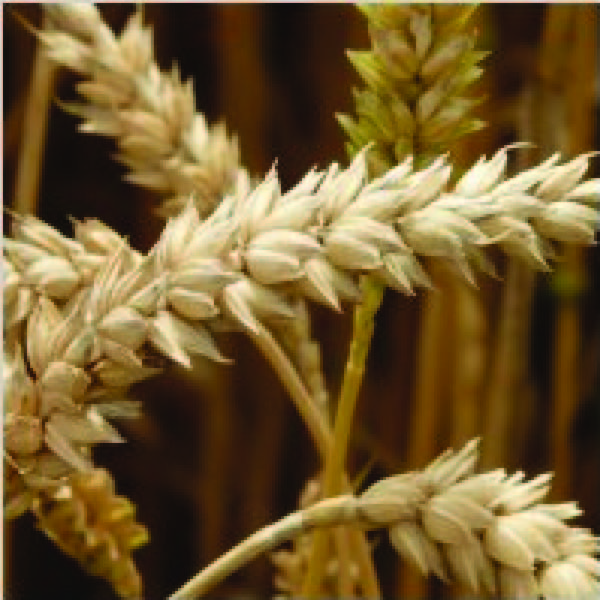
I recently heard some very strange theories about gluten. wheat-01Reminiscent of the telephone game we played as children, whispering into each other’s ears down a line, what people hear at the end is very different from the reality spoken at the beginning. Let’s clear up some confusion.

Our ancestors survived in no small part due to the development of cultivated grasses: the seeds of grasses are high in carbohydrates for energy, protein for strong muscles, and fiber for bowel function. They contain iron, B vitamins, zinc, and magnesium. They could be dried and stored, so groups of people could stay in one place and survive the winter. Worldwide throughout history, every culture has developed some sort of grain based food as a staple, from bread to flatbread, corn tortillas to rice.

Gluten is the protein found in wheat, spelt, barley, and rye grains. It gives elasticity to bread dough so that it can rise and maintain its shape and chewiness. Gluten is pervasive in our foods: it is in breads, pastas and cereals, is added into low protein foods to improve their nutritional value, and is present in everything from ketchup to soy sauce to beer. It is even in our cosmetics, hair and skin products.

Our bodies use the amino acids that make up gluten to build our muscles and everything from our fingernails to the cartilage in our noses; to make our immune system work so it can fight off disease; to communicate within our bodies; to carry oxygen through our bloodstreams; even to make sperm able to swim so the next generation can be born. We cannot make all of these amino acids ourselves, so we have to ingest them. Whole grains are an excellent source.

Since whole grains contain so many nutrients and have such fantastic health benefits, and since avoiding gluten is both inconvenient and expensive, let’s make sure living gluten free makes sense, before we commit.

Celiac disease is the condition we worry about with gluten. It is caused by an immune reaction to the gluten protein: it acts as an allergen in genetically predisposed people, like pollen to people with hay fever. It is most common in the Saharawi in the Western Sahara and Spain. In the US, about 7 in 1000 people have it. It is programmed into the DNA of affected people, inherited from their ancestors, like having blue eyes or brown hair. The inheritance is complex, with many genes contributing, so the disease has a variety of presentations. Children most typically present between 6 months and 2 years of age with weight loss, diarrhea, muscle wasting and abdominal distention. Some less common presentations include:

  • Iron deficiency anemia
  • Poor growth
  • Delayed puberty, infertility
  • Itchy bumps on the elbows, knees, and buttocks
  • Mouth ulcers
  • Arthritis
  • Chronic tiredness
  • Behavioral problems, depression
  • Headaches
  • Weak, thin bones with frequent fractures

It is more common in people with Type 1 Diabetes, Down’s syndrome, autoimmune disease, and thyroiditis. The symptoms can be more severe when there is concurrent illness, like rotavirus or a toxin ingestion.

In the people who have Celiac, gluten triggers an inflammatory reaction which causes the little absorptive pillars in the small intestine to die off, and causes crypt hyperplasia in the walls of the gut. This affects the person’s ability to absorb nutrients, resulting in the weight loss, diarrhea, and the other symptoms listed above. It also causes the production of antigliadin antibody (AGA), tissue transglutaminase (tTG), and antiendomysium antibody (EMA), which can be tested for and are used to screen for Celiac disease. Convenient, yes?

If you think your children might have Celiac disease, get them tested. If the test is positive, he or she will need to see a specialist and have a biopsy done to confirm the diagnosis. Children who test positive for Celiac disease need to consult with a nutritionist, both to learn which foods and products contain gluten, and to learn how to maintain a healthful diet without the many things that include gluten. Short term, deficiencies of trace elements, vitamins and minerals are common with a gluten free diet (zinc, magnesium, iron and B vitamins especially); long term risks include cancers of the gut and recurrent bone fractures. Deficiencies can lead to anemia, poor immune function, poor growth, skin lesions, messed up heart and brain function, and a host of other unpleasant symptoms. Living gluten free is not something you would want to attempt without knowledge and expert guidance.

A gluten free diet is a medical necessity for people with Celiac disease. It is not a healthful way to lose weight. It is also not a good way to nourish your child. Sustenance should not be a fashion trend.

Children use food to lengthen their bones, grow their muscles, build their brains, and give them energy to run, climb, and think. We need to avoid feeding our children things like concentrated sweets, sodas, and greasy fast food; we do not need to avoid whole grain breads and cereals.

Whole grain and protein are not in any way toxic, even though a very few people are allergic and have to avoid them. Pretending to have an allergy to be “hip” is just silly, and disrespectful of the people who actually have Celiac disease.

If your children do not have Celiac, stick to a nutritious diet including whole and enriched grains. Feeding your children a gluten free diet when they don’t have Celiac disease is not only inconvenient and expensive, it also carries with it serious risk to your children’s health.

To grow, two-year-olds should have about three ounces of grain per day; by four, they should get five ounces; between nine and eighteen, they need to take in between five and eight ounces. At least half of this should be whole grain; the rest should be enriched (iron, vitamins and minerals added back in).

Don’t let fads decide for you what to feed your child; rely on common sense and nutritional science. Focus on fresh fruits and vegetables, then add whole and enriched grains and a little protein. Sit down and eat together as a family, and watch your munchkins grow and thrive.